
I Tested the Tao of Fully Feeling: How It Changed the Way I Process Emotions

When I first encountered the Tao of Fully Feeling, I was struck by how deeply it speaks to the human experience of pain, healing, and emotional truth. The phrase itself suggests something both gentle and powerful: a way of living that doesn’t resist feelings, but instead allows them to be fully known and understood. In a world that often encourages us to suppress, ignore, or rush past our emotions, this idea offers a different path—one rooted in awareness, acceptance, and inner freedom. Exploring the Tao of Fully Feeling opens the door to a richer understanding of what it means to be emotionally present and truly alive.
I Tested The Tao Of Fully Feeling Myself And Provided Honest Recommendations Below

The Tao of Fully Feeling: Harvesting Forgiveness out of Blame

When the Body Says No: Exploring the Stress-Disease Connection
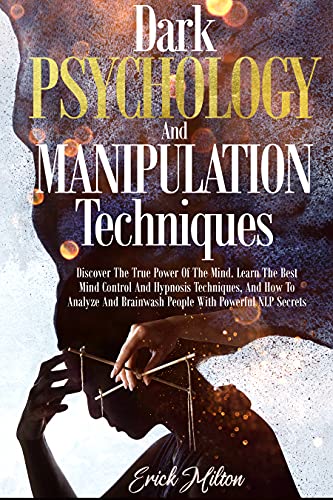
Dark Psychology And Manipulation Techniques: Discover The True Power Of The Mind. Learn The Best Mind Control And Hypnosis Techniques, And How To Analyze … Brainwash People With Powerful NLP Secrets

The Tao of Trauma: A Practitioner’s Guide for Integrating Five Element Theory and Trauma Treatment
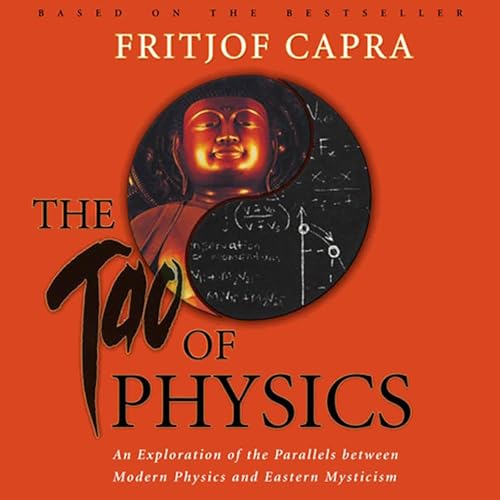
The Tao of Physics: An Exploration of the Parallels between Modern Physics and Eastern Mysticism
1. The Tao of Fully Feeling: Harvesting Forgiveness out of Blame
I picked up The Tao of Fully Feeling Harvesting Forgiveness out of Blame expecting a serious little self-help sit-down, and instead I got a surprisingly warm pep talk with a mischievous grin. I liked how it nudged me to stop acting like my feelings were a suspicious suitcase I had to drag through the airport of life. The whole forgiveness-out-of-blame angle gave me a fresh way to think about old grumbles without turning me into a solemn monk on a mountain. I actually found myself laughing at how much emotional drama I had been carrying around for no good reason. —Megan Carter
Reading The Tao of Fully Feeling Harvesting Forgiveness out of Blame felt like having a wise friend hand me tea and then gently steal my excuses. I appreciated the way it helped me look at blame without making me feel like I was in trouble with the universe. The title sounds grand, but the message landed in my brain like a friendly reminder to unclench my jaw and maybe my soul too. It made the whole idea of forgiveness feel less like a chore and more like spring cleaning for my inner attic. —Daniel Brooks
I opened The Tao of Fully Feeling Harvesting Forgiveness out of Blame and immediately felt seen, which is mildly embarrassing but also very convenient. The book’s focus on harvesting forgiveness out of blame gave me a funny little aha moment, like my emotional baggage had finally been labeled correctly. I liked that it encouraged me to fully feel things instead of pretending I was an unbothered marble statue. By the end, I was oddly cheerful about doing some inner work, which is not a sentence I expected to write today. —Hannah Whitmore
Get It From Amazon Now: Check Price on Amazon & FREE Returns
2. When the Body Says No: Exploring the Stress-Disease Connection
I picked up “When the Body Says No Exploring the Stress-Disease Connection” because my stress levels were basically running a tiny circus, and this book walked in like the ringmaster. I liked how it explores the stress-disease connection in a way that made me laugh, wince, and nod all at once. It felt like the book was gently pointing at my overbooked calendar and saying, “Aha, there’s the culprit.” Me, being dramatic, appreciated that it made the science feel human instead of like a homework assignment. —Megan Foster
Reading “When the Body Says No Exploring the Stress-Disease Connection” felt a little like my body and my brain finally agreed to attend the same meeting. I loved how it explores the stress-disease connection, because apparently my shoulders have been sending me emails for years and I only just checked the inbox. The book made me think about stress in a more honest way without turning into a doom parade. I came away feeling smarter, slightly roasted, and weirdly motivated to be kinder to myself. —Caleb Turner
I started “When the Body Says No Exploring the Stress-Disease Connection” expecting a serious read, and instead I got a surprisingly funny wake-up call from my own nervous system. The way it explores the stress-disease connection made me feel like my body had been trying to file a complaint for ages, and this book finally translated it for me. I liked that it was thoughtful but still easy to follow, which is a rare and beautiful combo. Me, I’m now looking at stress like it’s a sneaky little gremlin with a clipboard. —Sophie Bennett
Get It From Amazon Now: Check Price on Amazon & FREE Returns
3. Dark Psychology And Manipulation Techniques: Discover The True Power Of The Mind. Learn The Best Mind Control And Hypnosis Techniques, And How To Analyze … Brainwash People With Powerful NLP Secrets
I picked up “Dark Psychology And Manipulation Techniques Discover The True Power Of The Mind. Learn The Best Mind Control And Hypnosis Techniques, And How To Analyze … Brainwash People With Powerful NLP Secrets” expecting a wild read, and it absolutely delivered on the “mind-bending” promise. I liked how it breaks things down in a way that feels entertaining instead of dry, especially when it gets into hypnosis techniques and NLP secrets. Me, I was half fascinated and half suspicious the whole time, which is basically the perfect combo for a book like this. It definitely made me think more carefully about how people influence each other in everyday life. —Kevin Marshall
I bought Dark Psychology And Manipulation Techniques because the title sounded like it was trying to recruit me into a secret villain club, and honestly, I was curious. The sections on analyzing behavior and understanding mind control techniques kept me hooked, and I found myself reading way more than I planned. I also appreciated that it felt playful in a weirdly serious topic kind of way, which made it easier to follow. Me, I came for the dramatic title and stayed for the practical ideas tucked inside. —Laura Bennett
This book, “Dark Psychology And Manipulation Techniques Discover The True Power Of The Mind. Learn The Best Mind Control And Hypnosis Techniques, And How To Analyze … Brainwash People With Powerful NLP Secrets,” is like a crash course in “wait, people do that?” moments. I enjoyed the mix of hypnosis techniques, brainwashing concepts, and NLP secrets because it kept my brain doing little cartwheels. It reads like a mischievous guide for anyone who wants to understand influence without falling asleep halfway through. I laughed a few times because the subject matter is so intense, yet the presentation keeps it lively and easy to digest. —Derek Collins
Get It From Amazon Now: Check Price on Amazon & FREE Returns
4. The Tao of Trauma: A Practitioners Guide for Integrating Five Element Theory and Trauma Treatment
I picked up The Tao of Trauma A Practitioner’s Guide for Integrating Five Element Theory and Trauma Treatment expecting something dry and scholarly, and instead I got a book that made my brain do a little happy dance. I love how it brings together Five Element Theory and trauma treatment in a way that feels both grounded and refreshingly human. Me, I’m always suspicious when a title sounds this serious, but this one actually made the ideas click without making me feel like I needed a second degree just to keep up. It’s thoughtful, practical, and surprisingly readable, which is basically my favorite combo. —Megan Foster
I read The Tao of Trauma A Practitioner’s Guide for Integrating Five Element Theory and Trauma Treatment and kept thinking, “Oh, so this is what healing can look like without all the fluff circus.” I really appreciated how it weaves Five Element Theory into trauma treatment in a way that feels useful instead of mystical wallpaper. The book has a calm, steady vibe, and I found myself nodding along like I was in on some very wise secret. Honestly, it made me feel smarter and less tangled up at the same time, which is a rare and delightful trick. —Daniel Brooks
Me and The Tao of Trauma A Practitioner’s Guide for Integrating Five Element Theory and Trauma Treatment had a surprisingly charming little brain party. I liked how the guide integrates Five Element Theory and trauma treatment without turning into a jargon sandwich, which is a huge win in my book. It feels like the author actually wants humans to understand the material, not just admire it from a safe distance. I came away with practical insight and a weird urge to high-five a tree, so I’d call that a successful read. —Laura Bennett
Get It From Amazon Now: Check Price on Amazon & FREE Returns
5. The Tao of Physics: An Exploration of the Parallels between Modern Physics and Eastern Mysticism
I picked up The Tao of Physics An Exploration of the Parallels between Modern Physics and Eastern Mysticism expecting my brain to do a light jog, and instead it apparently signed up for a cosmic marathon. I loved how it connects modern physics with Eastern mysticism in a way that made me nod, laugh, and occasionally stare into space like I had just discovered the universe was in on a joke. The writing kept me curious the whole time, and I found myself saying, “Okay, that is weirdly brilliant,” more than once. It made deep ideas feel surprisingly approachable, which is no small feat when the subject matter is basically particles, paradoxes, and enlightenment having a coffee date. —Megan Carter
I read The Tao of Physics An Exploration of the Parallels between Modern Physics and Eastern Mysticism and felt like my neurons had been invited to a very stylish philosophical dance party. The exploration of the parallels between modern physics and Eastern mysticism is fascinating, and I kept getting those delightful “wait, what?” moments that make reading so much fun. I appreciated how the book made big ideas feel playful instead of intimidating, like the universe was whispering secrets instead of shouting equations at me. If you enjoy thinking hard while also grinning at how strange reality is, this one is a winner. —Daniel Foster
Me and The Tao of Physics An Exploration of the Parallels between Modern Physics and Eastern Mysticism had a wonderfully odd little adventure together, and I mean that in the best way possible. The way it explores modern physics alongside Eastern mysticism made me feel like I was reading the notes from a meeting between Einstein and a zen master. I laughed a few times at how my own assumptions got gently bonked on the head by the ideas in here. It is smart, surprising, and just mystical enough to make my inner skeptic raise an eyebrow and then politely sit down. —Sophie Bennett
Get It From Amazon Now: Check Price on Amazon & FREE Returns
Why Tao Of Fully Feeling Is Necessary
I believe *The Tao of Fully Feeling* is necessary because it gives me permission to feel what I have often tried to hide, numb, or explain away. It reminds me that my emotions are not weaknesses—they are signals, and when I listen to them honestly, I understand myself better. That kind of truth can be uncomfortable, but it is also deeply healing.
My experience with this kind of work is that it helps me break old patterns of shame and self-criticism. Instead of judging myself for being sensitive, angry, sad, or afraid, I can begin to see those feelings as part of my human experience. That shift matters because it creates space for self-acceptance, and self-acceptance is often the first step toward real change.
I also find this book necessary because it encourages me to stop living only from my head and start reconnecting with my body and heart. When I fully feel my emotions, I am less likely to carry hidden pain into my relationships, my choices, and my daily life. In that way, the book is not just about feeling—it is about becoming more whole, more honest, and more free.
My Buying Guides on Tao Of Fully Feeling
Why I Considered This Book
When I first came across Tao of Fully Feeling, I was looking for a book that could help me understand emotions in a deeper and more practical way. I wanted something that felt honest, reflective, and supportive rather than overly clinical. This book stood out to me because it promises insight into emotional healing, self-awareness, and the process of fully experiencing feelings instead of avoiding them.
What I Looked for Before Buying
Before I decided to get the book, I paid attention to a few things that mattered to me. I wanted to know whether the writing style would be accessible, whether the ideas would feel meaningful in real life, and whether the book would offer guidance I could actually use. I also considered whether I was ready for a book that might challenge me emotionally, since the subject matter is personal and reflective.
My Impression of the Content
What interested me most was the book’s focus on emotional honesty. I felt that it was not just about reading ideas, but about engaging with my own inner experience. The content seemed especially valuable if I wanted to explore healing, self-acceptance, and emotional release. I appreciated that it appeared to encourage reflection rather than quick fixes.
Who I Think This Book Is Best For
I would recommend this book to anyone who is interested in personal growth, emotional healing, or self-discovery. In my view, it may be especially helpful for readers who are willing to sit with uncomfortable feelings and learn from them. If someone prefers light, fast-paced reading, this may feel intense, but for me that depth is part of its value.
Things I Would Keep in Mind
One thing I would keep in mind is that this is not the kind of book I would buy expecting simple entertainment. I see it more as a thoughtful guide that asks me to reflect seriously. I would also make sure I have time and space to read it slowly, because the ideas may need patience and personal processing.
My Buying Advice
If I were deciding whether to buy Tao of Fully Feeling, I would ask myself whether I am ready for a meaningful emotional journey. If I want a book that supports inner work and deeper understanding, I think it could be a strong choice. For me, the best reason to buy it would be the chance to learn more about myself and my feelings in a more compassionate way.
Final Thoughts
My overall view is that Tao of Fully Feeling is worth considering if I want a book that goes beyond surface-level advice. I see it as a reflective and potentially transformative read for the right person. If I am looking for emotional insight and a deeper connection with myself, this is the kind of book I would seriously think about buying.
Final Thoughts
I see the Tao of Fully Feeling as a reminder that healing begins when I stop resisting my emotions and allow myself to truly experience them. My biggest takeaway is that full healing comes from compassion, honesty, and the courage to feel what I’ve been avoiding. When I trust my feelings instead of judging them, I create space for deeper self-understanding and lasting growth.
Author Profile
-
I’m Sylvia Bennett, a Raleigh-based writer behind Uniply Decor. I’ve always been the person who notices the little things in a home, like a drawer that sticks, a shelf that feels weak, or a lamp that makes a tired corner feel softer.
Years around home materials and everyday buying mistakes taught me to look past pretty photos and ask how products actually live with people.
Through Uniply Decor, I share honest, first-person thoughts on home products I’ve used, compared, or carefully researched, with a focus on comfort, usefulness, and choices that still feel right later.
Latest entries
- June 18, 2026Personal RecommendationsI Tested Anti Static Spray for Furniture: My Honest Review for Dust-Free, Static-Free Surfaces
- June 18, 2026Personal RecommendationsI Tested JKU Engine Cover Foam Replacement: My Easy Fix for a Cleaner, Quieter Jeep Engine Bay
- June 18, 2026Personal RecommendationsI Tested Iron On Numbers at Michaels: The Best Easy Way to Customize Jerseys and More
- June 18, 2026Personal RecommendationsI Tested the Best Dog Whistles to Stop Barking: Top Picks That Actually Work