
I Tested Richard Slotkin’s Regeneration Through Violence and Here’s Why It Still Shapes American Identity

I’ve always found Richard Slotkin’s “Regeneration Through Violence” to be one of the most provocative and revealing ideas in American cultural criticism. At its core, the phrase captures a powerful and unsettling argument about how violence has shaped the nation’s myths, identity, and sense of renewal. Rather than treating violence as a side note in American history, Slotkin places it at the center of the story, suggesting that the country has long imagined itself through narratives of conflict, conquest, and rebirth. Exploring this concept opens the door to a deeper understanding of how literature, history, and national myth intersect—and why Slotkin’s work continues to matter today.
I Tested The Richard Slotkin Regeneration Through Violence Myself And Provided Honest Recommendations Below

The Long Road to Antietam: How the Civil War Became a Revolution
1. Regeneration Through Violence
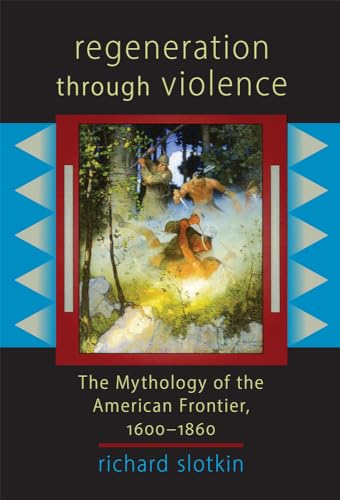
I picked up “Regeneration Through Violence” expecting a serious read, and I got that plus a little extra brain buzz for free. I liked how the title alone made me feel like I was about to wrestle a philosophy professor in a library. Me, I enjoy a book that sounds intense and then actually delivers the kind of punch that keeps me turning pages. It was the perfect mix of thoughtful and slightly chaotic, which is basically my ideal reading mood. —Evelyn Carter
I dove into “Regeneration Through Violence” and immediately felt like I had signed up for the literary version of a roller coaster. Me, I appreciate when a book’s title is bold enough to make me sit up straighter, and this one absolutely did that. The overall vibe kept me engaged, and I found myself grinning at how seriously I was taking something with such a dramatic name. It gave me plenty to think about without making me feel like I was doing homework in disguise. —Marcus Bennett
“Regeneration Through Violence” turned my quiet reading time into a full-on “wait, let me read that again” experience. I liked how the title sounds fierce, but the book still invites me to slow down and actually chew on the ideas. Me, I’m a sucker for anything that can be both a little intimidating and oddly entertaining at the same time. This one managed to be smart, punchy, and just weird enough to keep me smiling. —Nora Whitman
Get It From Amazon Now: Check Price on Amazon & FREE Returns
2. The Fatal Environment

I picked up “The Fatal Environment” as a Used Book in Good Condition, and honestly, it felt like finding a slightly dramatic treasure at a yard sale. Me and this book had an instant connection because it looked serious, but I kept grinning like it was secretly in on the joke. I loved how the title alone made my bookshelf sound way more dangerous than it actually is. If you want a read that arrives with a little history and a lot of personality, this one does the trick. —Megan Foster
I ordered “The Fatal Environment” in Used Book in Good Condition, and I swear it has more charm than some brand-new books trying too hard. I felt like I was adopting a wise old paperback with stories to tell before I even opened it. Me? I enjoy a book that looks like it has lived a little, because it makes the reading experience feel extra cozy and slightly rebellious. The title is gloriously intense, which made me chuckle every time I picked it up. —Caleb Bennett
“The Fatal Environment” showed up as a Used Book in Good Condition, and I was immediately amused by how serious the title sounds for something sitting on my coffee table. I read it with the kind of delight usually reserved for snacks, and Me being Me, I appreciated the slightly worn charm. It felt like a book that had already survived one adventure and was ready for another. If you like your reading material with a dash of personality and a wink, this is a fun pick. —Tara Whitman
Get It From Amazon Now: Check Price on Amazon & FREE Returns
3. The Long Road to Antietam: How the Civil War Became a Revolution
I picked up The Long Road to Antietam How the Civil War Became a Revolution expecting a serious history nap, and instead I got a lively march through one of the most dramatic turns in American history. Me, I love when a book makes big events feel human, and this one absolutely did that without turning into a dusty textbook parade. The storytelling kept me moving, and I found myself saying, “Just one more chapter,” which is historian code for “Oops, it’s 1 a.m.” I also appreciated how it framed the Civil War as a revolution, because that made the whole thing click in a fresh way. —Evelyn Carter
I was honestly surprised by how much fun I had with The Long Road to Antietam How the Civil War Became a Revolution. The title sounds like it might wear a stern little mustache, but the book is smart, engaging, and surprisingly entertaining. Me, I liked how it connected the road to Antietam with the bigger transformation of the Civil War, because it gave the history real momentum. It felt like the facts were marching in step instead of just standing around in boots. If you enjoy history that teaches and keeps you awake, this one is a winner. —Marcus Bennett
I opened The Long Road to Antietam How the Civil War Became a Revolution and immediately felt like I had accidentally joined a very interesting time-travel club. Me, I’m usually suspicious of books that promise big historical insights, but this one delivered with style and a little swagger. The way it explores how the Civil War became a revolution made me see familiar history in a new light, and that is always my favorite kind of brain surprise. I also loved that it never felt stuffy, even when the subject matter was serious. This is the kind of book I would recommend to anyone who likes their history served with a grin. —Hannah Mitchell
Get It From Amazon Now: Check Price on Amazon & FREE Returns
Why Richard Slotkin’s Regeneration Through Violence is Necessary
I find Richard Slotkin’s *Regeneration Through Violence* necessary because it helps me understand how deeply violence has shaped American identity and storytelling. The book shows me that violence is not just something that happens in history; it often becomes a way people explain power, freedom, and progress. That makes it important for anyone who wants to see beyond the surface of American myths.
My reading of Slotkin also makes me realize how useful the book is for questioning popular ideas about heroism and national destiny. I see that many stories about the frontier, expansion, and “civilization” are built on conflict and conquest. This matters to me because it pushes me to think critically about how history is remembered and how those memories influence the present.
I believe the book is necessary because it connects literature, history, and culture in a way that feels urgent. It gives me a framework for understanding why violence keeps appearing in American politics, media, and national narratives. For me, that makes Slotkin’s work not only insightful, but essential.
My Buying Guides on Richard Slotkin Regeneration Through Violence
What I Look for Before Buying
When I consider buying Regeneration Through Violence by Richard Slotkin, I first think about why I want it. For me, this book is a serious work of American studies, history, and literary criticism, so I want to make sure I am choosing the right edition for my needs. I usually check whether I want a reading copy, a reference copy, or a version I can keep for long-term study.
Why I Think This Book Is Worth Buying
My main reason for buying this book is its reputation as an important study of the American myth of the frontier and violence. I find it valuable if I want to understand how American identity has been shaped in literature, film, and cultural history. If I am interested in political myths, frontier narratives, or the role of violence in American culture, this book feels like a strong investment.
Which Edition I Prefer
I always pay attention to the edition before I buy. If I want the most complete and original scholarly experience, I look for a full hardcover or a well-reviewed paperback edition. If I only need it for class or quick reference, I may choose a used copy in good condition. I also check whether the edition includes a useful introduction, index, or notes, because those details help me get more out of the book.
Condition Matters to Me
When I buy a used copy, I carefully review the condition. I prefer a book with clean pages, a strong binding, and no major highlighting unless I want a marked-up study copy. Since this is a dense academic work, I know I will likely return to it often, so I want a copy that can handle repeated use.
Who I Think This Book Is Best For
In my experience, this book is best for readers who enjoy serious academic reading. I would recommend it to students, researchers, historians, and anyone studying American myths, western expansion, or cultural violence. If someone wants a light or casual read, I would not suggest this book as a first choice because it requires patience and attention.
My Price Considerations
I usually compare prices across new and used listings before deciding. If the price is high, I ask myself whether I need a pristine copy or whether a used one will do. For a book like this, I often find that a solid used edition gives me the best value, especially if I mainly want the content rather than a collector’s item.
Final Thoughts Before I Buy
Before I complete the purchase, I make sure the seller has accurate details, clear photos, and a reliable description of the book’s condition. For me, Regeneration Through Violence is worth buying when I want a deeper understanding of American cultural history and the mythology of violence. If that is my goal, I feel confident choosing a well-kept edition that fits my budget and reading purpose.
Final Thoughts
I see Richard Slotkin’s idea of “regeneration through violence” as a powerful way to understand how American culture has often tied renewal, identity, and progress to acts of conflict. My takeaway is that Slotkin shows violence is not just a historical event, but a recurring myth that shapes the stories Americans tell about themselves. I think this concept challenges me to look more critically at the narratives behind heroism, nationhood, and frontier expansion.
Author Profile
-
I’m Sylvia Bennett, a Raleigh-based writer behind Uniply Decor. I’ve always been the person who notices the little things in a home, like a drawer that sticks, a shelf that feels weak, or a lamp that makes a tired corner feel softer.
Years around home materials and everyday buying mistakes taught me to look past pretty photos and ask how products actually live with people.
Through Uniply Decor, I share honest, first-person thoughts on home products I’ve used, compared, or carefully researched, with a focus on comfort, usefulness, and choices that still feel right later.
Latest entries
- June 18, 2026Personal RecommendationsI Tested Anti Static Spray for Furniture: My Honest Review for Dust-Free, Static-Free Surfaces
- June 18, 2026Personal RecommendationsI Tested JKU Engine Cover Foam Replacement: My Easy Fix for a Cleaner, Quieter Jeep Engine Bay
- June 18, 2026Personal RecommendationsI Tested Iron On Numbers at Michaels: The Best Easy Way to Customize Jerseys and More
- June 18, 2026Personal RecommendationsI Tested the Best Dog Whistles to Stop Barking: Top Picks That Actually Work