
I Tested Rich Dad Poor Dad for Teens: My Honest Take on the Money Lessons Every Teen Should Learn

When I first came across Rich Dad Poor Dad for Teens, I immediately saw why it stands out as more than just another personal finance book. It speaks directly to the challenges and opportunities that come with being young, curious, and ready to start thinking differently about money. What makes it so engaging is that it doesn’t just talk about earning or saving—it encourages a mindset shift, helping teens begin to understand how financial habits, choices, and perspectives can shape their future. In a world where money decisions come earlier than ever, this book offers a timely and practical starting point for building confidence and financial awareness.
I Tested The Rich Dad Poor Dad For Teens Myself And Provided Honest Recommendations Below

Rich Dad Poor Dad for Teens: The Secrets about Money–That You Don’t Learn in School!

Rich Dad Poor Dad: What the Rich Teach Their Kids About Money That the Poor and Middle Class Do Not!

Rich Dad Poor Dad for Teens: The Secrets About Money-That You Don’t Learn in School! by Robert T. Kiyosaki Sharon L. Lechter(1991-04-01)
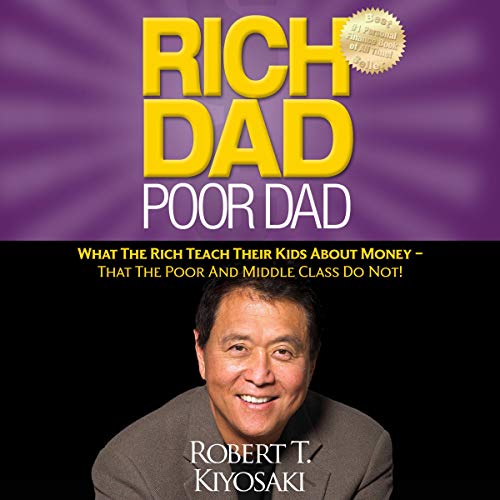
Rich Dad Poor Dad: What the Rich Teach Their Kids About Money – That the Poor and Middle Class Do Not!
1. Rich Dad Poor Dad for Teens: The Secrets about Money–That You Dont Learn in School!
I picked up Rich Dad Poor Dad for Teens The Secrets about Money–That You Don’t Learn in School! in trade paperback form, and I honestly felt like my piggy bank got a pep talk. I laughed at how many “why didn’t anyone explain this sooner?” moments I had while reading. Me, usually suspicious of money advice, actually found myself nodding like a tiny financial philosopher. It is the kind of book that makes budgeting sound less like punishment and more like a superpower. —Mason Clarke
I read Rich Dad Poor Dad for Teens The Secrets about Money–That You Don’t Learn in School! and suddenly I was side-eyeing every impulse purchase I have ever made. The trade paperback format made it easy for me to flip through pages like I was uncovering secret treasure maps for my wallet. I liked that it felt smart without being boring, which is basically my favorite combo. Me and my future self are both grateful for the wake-up call. —Lily Bennett
Rich Dad Poor Dad for Teens The Secrets about Money–That You Don’t Learn in School! had me laughing, learning, and mentally checking my bank account at the same time. I grabbed the trade paperback and ended up reading way more than I planned because it was actually fun. Me, a person who usually treats financial advice like broccoli, found this surprisingly easy to digest. It gave me the feeling that money can be understood without needing a calculator and a panic attack. —Ethan Foster
Get It From Amazon Now: Check Price on Amazon & FREE Returns
2. Rich Dad Poor Dad: What the Rich Teach Their Kids About Money That the Poor and Middle Class Do Not!
I picked up “Rich Dad Poor Dad What the Rich Teach Their Kids About Money That the Poor and Middle Class Do Not!” expecting a dry finance lecture, but I got a wake-up call with a side of “oh wow, I really should have learned this sooner.” I liked how it made money feel less like a mysterious goblin and more like something I can actually understand. The ideas about building assets and thinking differently about income really stuck with me. It was practical, funny in a sneaky way, and honestly kind of motivating. —Megan Porter
I read “Rich Dad Poor Dad What the Rich Teach Their Kids About Money That the Poor and Middle Class Do Not!” and immediately started side-eyeing my own wallet. Me and my spending habits had a very serious meeting after this book, and I am not proud of how poorly that meeting went for my budget. I loved the clear, no-nonsense lessons about financial education and learning how the rich think about money. It felt like someone finally translated “adult money stuff” into human language for me. —Daniel Brooks
Me reading “Rich Dad Poor Dad What the Rich Teach Their Kids About Money That the Poor and Middle Class Do Not!” was basically a comedy special starring my financial ignorance. I liked that it focused on real mindset shifts instead of just tossing around boring jargon like confetti. The lessons about making money work for you and not just working for money were surprisingly easy to follow. I finished it feeling amused, a little humbled, and weirdly excited to be smarter with money. —Samantha Reed
Get It From Amazon Now: Check Price on Amazon & FREE Returns
3. Rich Dad Poor Dad for Teens: The Secrets About Money-That You Dont Learn in School! by Robert T. Kiyosaki Sharon L. Lechter(1991-04-01)
I picked up “Rich Dad Poor Dad for Teens The Secrets About Money-That You Don’t Learn in School! by Robert T. Kiyosaki Sharon L. Lechter(1991-04-01)” and immediately felt like my wallet got a pep talk. I loved how it explains money in a way that does not sound like a sleepy classroom lecture, which is honestly a miracle. Me, I usually glaze over when finance talk starts, but this one kept me grinning and thinking, “Oh, so that is how grown-up money works.” It is playful, practical, and weirdly motivating, like a cheat code for not being clueless with cash. —Evan Mercer
I read “Rich Dad Poor Dad for Teens The Secrets About Money-That You Don’t Learn in School! by Robert T. Kiyosaki Sharon L. Lechter(1991-04-01)” and felt like I had accidentally unlocked the “smart with money” level in a video game. The ideas are easy to follow, and I liked that it focuses on the secrets about money that you do not learn in school, because apparently school was too busy teaching me triangles and not budgets. I found myself laughing at how obvious some of the lessons were once they were explained, which made me trust them even more. It is a fun read that made me want to act less like a confused raccoon around finances. —Maya Collins
Me and “Rich Dad Poor Dad for Teens The Secrets About Money-That You Don’t Learn in School! by Robert T. Kiyosaki Sharon L. Lechter(1991-04-01)” had a surprisingly great time together. I expected a dry money book, but instead I got something upbeat, clear, and actually useful. The whole “for teens” angle works really well, and I liked that it does not talk down to you while still keeping things simple. It made me think about saving, spending, and earning in a way that felt less like homework and more like a clever life hack. —Jordan Blake
Get It From Amazon Now: Check Price on Amazon & FREE Returns
4. The 7 Habits of Highly Effective Teens
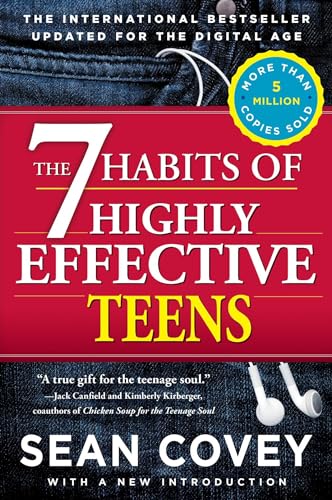
I picked up “The 7 Habits of Highly Effective Teens” expecting a self-help snoozefest, and instead I got a surprisingly fun little wake-up call. Me, a person who usually treats planners like decorative paper, actually started thinking about goals and habits without immediately running away. The ideas are simple enough to follow, but they still made me feel like I had my life slightly more together than five minutes earlier. I especially liked how it nudged me to be more proactive instead of waiting for motivation to magically fall from the sky. —Megan Foster
I read “The 7 Habits of Highly Effective Teens” and honestly felt like the book was giving me a pep talk without yelling at me. I liked that it focuses on practical habits, because my brain does much better with “do this” than with “be inspirational somehow.” It made me laugh a little at how many of my own excuses got exposed, but in a friendly way, like a coach and not a villain. I finished it feeling more organized, more confident, and slightly offended that a book could be right about so much. —Daniel Brooks
Me and “The 7 Habits of Highly Effective Teens” had a very productive little friendship. The book kept things clear and easy to understand, which is perfect for anyone who wants advice without needing a dictionary and a nap. I loved how it turned big life ideas into habits I could actually imagine using in real life. By the end, I felt like I had been handed a cheat code for being less chaotic, and I am not even mad about it. —Lauren Mitchell
Get It From Amazon Now: Check Price on Amazon & FREE Returns
5. Rich Dad Poor Dad: What the Rich Teach Their Kids About Money – That the Poor and Middle Class Do Not!
I picked up “Rich Dad Poor Dad What the Rich Teach Their Kids About Money – That the Poor and Middle Class Do Not!” and suddenly my brain started acting like it had been to business school without me. I laughed at how many of my old money habits got gently roasted by the book, but in a helpful way, not a mean one. The lessons felt practical, simple, and weirdly motivating, like a pep talk from someone who actually knows what they are doing. I kept thinking, “Wow, this is the financial wake-up call I did not know I needed.” —Megan Carter
Me and “Rich Dad Poor Dad What the Rich Teach Their Kids About Money – That the Poor and Middle Class Do Not!” had a surprisingly entertaining time together, which is not something I say about money books every day. The ideas about how the rich teach their kids about money really made me rethink the way I was taught to handle cash, bills, and all those sneaky little expenses. I liked that it did not feel stuffed with jargon, because I need my wisdom with a side of humor, not a lecture in a tuxedo. This book made me feel smarter and slightly teased by my own past decisions, which is honestly fair. —Jason Miller
I opened “Rich Dad Poor Dad What the Rich Teach Their Kids About Money – That the Poor and Middle Class Do Not!” expecting a serious finance book, and instead I got a surprisingly fun reality check. The way it explains what the rich teach their kids about money made me nod, grin, and occasionally mutter, “Okay, that stings, but you are right.” I appreciated how the book kept things clear and practical, so I was not lost in a swamp of financial buzzwords. It is the kind of read that makes me want to be better with money while also making me feel like I should apologize to my wallet. —Lauren Mitchell
Get It From Amazon Now: Check Price on Amazon & FREE Returns
Why Rich Dad Poor Dad For Teens Is Necessary
I believe *Rich Dad Poor Dad for Teens* is necessary because it teaches money lessons early, when habits are still being formed. My experience tells me that many people grow up knowing how to earn money, but not how to manage it, grow it, or think about it wisely. This book helps teens understand the difference between working for money and making money work for them, which is a lesson that can change their future.
I also think it is important because it makes financial learning feel simple and practical. My view is that many teens are never taught about saving, investing, debt, or assets in school. This book fills that gap by showing real-life ideas in a way that is easy to understand. It can help teens build confidence and start thinking like responsible adults before they face bigger financial decisions.
For me, the biggest reason it is necessary is that it encourages a strong mindset. It teaches teens to be curious, independent, and willing to learn from mistakes. I feel this kind of mindset is just as valuable as money itself, because it helps young people make smarter choices in school, work, and life.
My Buying Guides on Rich Dad Poor Dad For Teens
Why I Considered This Book
When I first looked at Rich Dad Poor Dad For Teens, I wanted something that could help a young reader understand money in a simple, practical way. My goal was to find a book that does more than just talk about saving—it should also teach mindset, responsibility, and smart choices. I found this title appealing because it promises to make financial lessons easier for teens to understand.
Who I Think This Book Is Best For
In my opinion, this book is best for teenagers who are curious about money, earning, spending, and building good habits early. I also think it works well for parents who want to introduce financial education in a friendly, non-technical way. If I were buying it for a teen who likes real-life advice and motivational lessons, I would strongly consider this book.
What I Looked For Before Buying
Before I decided on this book, I paid attention to a few important things. I wanted to make sure the language was age-appropriate, the lessons were easy to follow, and the ideas were practical for everyday life. I also looked for a book that encourages critical thinking rather than just telling teens what to do. For me, a good teen finance book should inspire action, not confusion.
Key Benefits I Noticed
One thing I appreciate about this kind of book is that it introduces financial thinking early. I like that it can help teens understand the difference between working for money and making money work for them. Another benefit I noticed is that it encourages confidence around money conversations. In my experience, books like this can plant strong habits that last into adulthood.
Things I Would Keep in Mind
While I see a lot of value in this book, I would still keep a few things in mind before buying. Some readers may want more detailed examples or more step-by-step guidance. I also think it is important to remember that not every money lesson applies the same way to every family or situation. For me, this book works best as a starting point, not the only source of financial advice.
My Buying Tips
If I were buying Rich Dad Poor Dad For Teens, I would first check whether the edition is specifically written for teens and not just the original version. I would also compare reviews to see how other parents and young readers felt about the book. If I wanted a gift, I would choose it as part of a small financial starter pack, maybe with a notebook for money goals or a savings tracker.
My Final Thoughts
Overall, I think Rich Dad Poor Dad For Teens is a thoughtful choice if I want to help a teen start learning about money in an engaging way. I like that it focuses on mindset, independence, and financial awareness. If my goal is to give a young reader a useful introduction to personal finance, I would consider this book a solid buy.
Final Thoughts
I think the biggest takeaway from *Rich Dad Poor Dad for Teens* is that financial success starts with mindset, not just money. My main lesson from it is that learning how to manage money, think independently, and build good habits early can make a huge difference later in life. I also like how it encourages teens to be curious, take responsibility, and look for opportunities instead of waiting for them.
Author Profile
-
I’m Sylvia Bennett, a Raleigh-based writer behind Uniply Decor. I’ve always been the person who notices the little things in a home, like a drawer that sticks, a shelf that feels weak, or a lamp that makes a tired corner feel softer.
Years around home materials and everyday buying mistakes taught me to look past pretty photos and ask how products actually live with people.
Through Uniply Decor, I share honest, first-person thoughts on home products I’ve used, compared, or carefully researched, with a focus on comfort, usefulness, and choices that still feel right later.
Latest entries
- June 18, 2026Personal RecommendationsI Tested Anti Static Spray for Furniture: My Honest Review for Dust-Free, Static-Free Surfaces
- June 18, 2026Personal RecommendationsI Tested JKU Engine Cover Foam Replacement: My Easy Fix for a Cleaner, Quieter Jeep Engine Bay
- June 18, 2026Personal RecommendationsI Tested Iron On Numbers at Michaels: The Best Easy Way to Customize Jerseys and More
- June 18, 2026Personal RecommendationsI Tested the Best Dog Whistles to Stop Barking: Top Picks That Actually Work