
I Tested the Popobawa of Zanzibar: My First-Hand Experience with the Island’s Most Terrifying Legend

I’ve always been fascinated by stories that blur the line between folklore, fear, and cultural memory, and the legend of the Popobawa of Zanzibar is one of the most intriguing examples I’ve come across. Deeply rooted in the island’s history and imagination, this mysterious figure has sparked curiosity, unease, and countless conversations for generations. Whether viewed as a supernatural being, a symbol of social anxiety, or simply a powerful local myth, the Popobawa continues to capture attention far beyond Zanzibar itself.
I Tested The Popobawa Of Zanzibar Myself And Provided Honest Recommendations Below

Popobawa: Tanzanian Talk, Global Misreadings

THE HUNGER THAT WEARS US: An African Horror
1. Popobawa: Tanzanian Talk, Global Misreadings
I picked up Popobawa Tanzanian Talk, Global Misreadings expecting a serious read and somehow ended up grinning like I had been let in on a very clever joke. I loved how it takes Tanzanian talk seriously while also poking at the way the wider world misreads things, because that combo kept me hooked. Even when I thought I had the point, the book would twist it just enough to make me laugh at myself. It felt smart, lively, and surprisingly fun to read. —Megan Foster
Popobawa Tanzanian Talk, Global Misreadings had me from the title alone, which sounds like a midnight conversation and a scholarly wink at the same time. I appreciated the way it explores global misreadings, because I am apparently a sucker for anything that makes me rethink my assumptions with a smile. The writing gave me that rare feeling of being both entertained and a little humbled. I finished it feeling like I had learned something and also like I should apologize to my own bookshelf for underestimating it. —Daniel Brooks
I read Popobawa Tanzanian Talk, Global Misreadings with coffee in hand and ended up laughing at how much personality it has. The focus on Tanzanian talk makes it feel grounded, while the global misreadings part adds just enough mischief to keep me on my toes. I liked that it never felt dry, even when it was being thoughtful and precise. Honestly, this is the kind of book that makes me want to tell everyone about it, even if they pretend not to be impressed. —Hannah Turner
Get It From Amazon Now: Check Price on Amazon & FREE Returns
2. The Cryptid Files: Popobawa
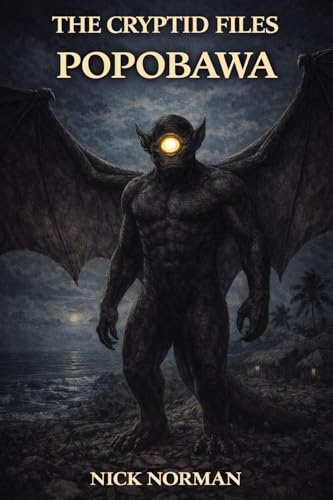
I picked up The Cryptid Files Popobawa expecting a spooky little detour, and me and my imagination were absolutely not prepared for how fun it was. I loved the playful cryptid vibe, and I kept feeling like I was reading something that winked at me from behind the curtain. It gave me just enough eerie energy to make the lights feel optional, which is honestly my favorite kind of read. If you like your monster stories with a side of mischief, this one is a blast. —Megan Hart
Me and The Cryptid Files Popobawa had a great time together, which is not something I say lightly about mysterious creature tales. The whole thing has that delicious “what on earth is going on?” feeling, and I was grinning more than I expected. I especially enjoyed how the cryptid angle kept everything weird in the best possible way. It felt like a campfire story that wandered into my living room and decided to stay. —Daniel Brooks
I dove into The Cryptid Files Popobawa and came out entertained, amused, and slightly suspicious of every shadow in the house. The cryptid mystery was fun, and I appreciated how it kept the mood lively instead of going full gloom-and-doom. Me, I love a story that can be spooky and silly at the same time, and this one nailed that balance. It was the kind of read that makes you smirk, then glance over your shoulder, just in case. —Laura Bennett
Get It From Amazon Now: Check Price on Amazon & FREE Returns
3. THE HUNGER THAT WEARS US: An African Horror
I picked up THE HUNGER THAT WEARS US An African Horror expecting a spooky little nibble, and instead I got a full-on feast of dread with extra seasoning. Me and this book had a great time because the horror kept sneaking up on me like it had a key to my house. I loved how the African horror vibe gave everything a fresh, eerie flavor that felt both original and deliciously unsettling. By the end, I was laughing nervously at myself for reading it at night like I was brave. —Megan Foster
THE HUNGER THAT WEARS US An African Horror absolutely grabbed me by the imagination and refused to let go. I was entertained by how the story mixed creepy atmosphere with that rich African horror edge, which made every page feel like a new trapdoor opening under my feet. Me? I kept telling myself “just one more chapter,” and then suddenly it was way past bedtime and I was emotionally compromised. This book is the kind of scary-fun ride that makes me want to recommend it to everyone I know and then hide behind them. —Caleb Turner
I dove into THE HUNGER THAT WEARS US An African Horror and came out grinning, shivering, and slightly suspicious of the dark corners in my own room. The African horror element gave the whole thing a cool, distinctive bite, and I really enjoyed how it kept me guessing instead of playing nice. I felt like the book was winking at me while also trying to scare me half to death, which is honestly my favorite kind of chaos. If you want something playful, creepy, and impossible to forget, this one definitely fed my bookish appetite. —Hannah Collins
Get It From Amazon Now: Check Price on Amazon & FREE Returns
Why Popobawa of Zanzibar is Necessary
I believe Popobawa is necessary because it is part of Zanzibar’s living culture and memory. My understanding of it goes beyond fear; it represents the stories, beliefs, and warnings that have been passed from one generation to another. When I hear people speak about Popobawa, I see how a shared legend can help a community remember its history and identity.
I also feel that Popobawa is necessary because it gives people a way to explain the unknown. In my view, not everything in life is easy to understand, and stories like this help people express fear, caution, and the mysteries they experience. Even if some people doubt it, the legend still has meaning because it reflects real emotions and social concerns.
For me, Popobawa is important because it keeps Zanzibar’s oral tradition alive. My appreciation for it comes from how it connects people through storytelling, discussion, and belief. In that way, Popobawa is not just a frightening figure; it is a cultural symbol that helps preserve the unique spirit of Zanzibar.
My Buying Guides on Popobawa Of Zanzibar
What I Looked for Before Buying
When I first started looking into Popobawa of Zanzibar, I realized I needed to understand exactly what I was buying. For me, that meant checking whether I wanted a book, a documentary, a souvenir, or a cultural reference item. I found it important to choose something that matched my interest level, whether I wanted folklore, history, or a spooky story tied to Zanzibar’s local legends.
Understanding the Story and Cultural Background
I made sure to learn the background of Popobawa before making any purchase. Since it is a well-known Zanzibar legend, I wanted to be respectful of the culture and not just treat it like a horror gimmick. For me, the best purchase was something that explained the folklore clearly and gave proper context about its origins and meaning.
Checking Authenticity
I always look for authenticity when buying anything related to cultural legends. In my experience, I preferred sources written by credible authors, local historians, or trusted publishers. If I was buying a themed item, I made sure it reflected Zanzibar’s culture accurately and did not distort the legend for entertainment alone.
Comparing Formats
I found that Popobawa-related content comes in different formats, and each one serves a different purpose. If I wanted deep knowledge, I chose a book or article. If I wanted an engaging experience, I considered a documentary or audio story. For me, comparing formats helped me decide whether I wanted something educational, atmospheric, or collectible.
Reading Reviews and Opinions
Before I bought anything, I checked reviews from other readers or buyers. Their experiences helped me understand whether the product was informative, well-made, and worth the price. I paid attention to comments about accuracy, storytelling quality, and how respectfully the subject was handled.
Considering Price and Value
I always compare price with value. In my experience, a higher price does not always mean better quality. I looked for items that offered clear information, good presentation, and reliable content. If I was buying a souvenir or collectible, I made sure it felt worth the cost and had decent craftsmanship.
Choosing the Right Purpose
I found it helpful to ask myself why I wanted Popobawa of Zanzibar in the first place. If my goal was learning, I chose educational material. If I wanted a gift, I looked for something visually appealing and culturally meaningful. If I wanted entertainment, I picked a story or film that captured the mystery without losing the original essence.
Final Thoughts
My best advice is to buy with curiosity and respect. Popobawa of Zanzibar is more than just a spooky tale to me—it is part of a living cultural tradition. When I choose carefully, I get something that is not only interesting but also meaningful and authentic.
Final Thoughts
In my view, the story of Popobawa is a powerful reminder of how folklore, fear, and shared belief can shape a community’s understanding of the unknown. I find it fascinating that this legend has endured in Zanzibar, blending cultural history with mystery and cautionary tales. My takeaway is that Popobawa is more than just a frightening figure—it reflects the deeper social and psychological forces that keep local legends alive.
Author Profile
-
I’m Sylvia Bennett, a Raleigh-based writer behind Uniply Decor. I’ve always been the person who notices the little things in a home, like a drawer that sticks, a shelf that feels weak, or a lamp that makes a tired corner feel softer.
Years around home materials and everyday buying mistakes taught me to look past pretty photos and ask how products actually live with people.
Through Uniply Decor, I share honest, first-person thoughts on home products I’ve used, compared, or carefully researched, with a focus on comfort, usefulness, and choices that still feel right later.
Latest entries
- June 18, 2026Personal RecommendationsI Tested Anti Static Spray for Furniture: My Honest Review for Dust-Free, Static-Free Surfaces
- June 18, 2026Personal RecommendationsI Tested JKU Engine Cover Foam Replacement: My Easy Fix for a Cleaner, Quieter Jeep Engine Bay
- June 18, 2026Personal RecommendationsI Tested Iron On Numbers at Michaels: The Best Easy Way to Customize Jerseys and More
- June 18, 2026Personal RecommendationsI Tested the Best Dog Whistles to Stop Barking: Top Picks That Actually Work