
I Tested the Best PCIe Thunderbolt 4 Card: My Honest Experience and Top Pick

When I first started exploring ways to expand my computer’s connectivity, I quickly realized how much of a difference the right upgrade can make. A PCIe Thunderbolt 4 card is one of those components that can completely change what your system is capable of, opening the door to faster data transfer, more versatile device support, and a smoother overall workflow. Whether I’m looking to connect high-performance accessories, streamline a creative setup, or simply future-proof my PC, this kind of upgrade stands out as a powerful and practical solution.
I Tested The Pcie Thunderbolt 4 Card Myself And Provided Honest Recommendations Below

ASUS USB4 PCIe Gen4 Card, Dual USB4 Ports (USB-C) Ports, DisplayPort 1.4, PCIe 4.0 x4 Interface/Domestic Authorized Dealer

QNAP Thunderbolt 5 Dual Ports Expansion Card, PCIe Gen4 x4 (QXP-T52P)
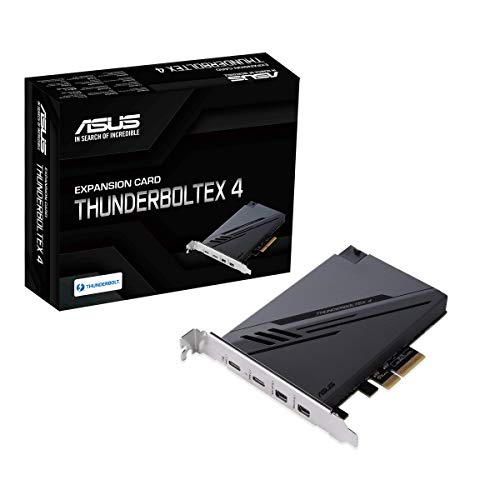
ASUS ThunderboltEX 4 with Intel® Thunderbolt™ 4 JHL 8540 Controller, 2 USB Type-C Ports, up to 40Gb/s bi-Directional Bandwidth, DisplayPort 1.4 Support, up to 100W Quick Charge, Black

ASUS ThunderboltEX 5 Expansion Card – Dual Thunderbolt™ 5 USB-C Ports, 120Gbps Bandwidth, DisplayPort™ 2.1, PCIe 4.0 x4, USB4®, Compatible for Intel 800 Series Motherboards
1. Sonnet Allegro USB-C 4-Port PCIe Card

I slipped the Sonnet Allegro USB-C 4-Port PCIe Card into my machine and suddenly felt like my desk got a caffeinated upgrade. I love that I get four USB-C ports with 10Gbps speed, because my external drives stopped acting like they were moving through molasses. The powered ports are a nice touch too, since my bus-powered SSDs have been behaving like well-fed little workhorses. It also plays nicely with my setup, which means I spent less time troubleshooting and more time pretending I’m a productivity wizard. —Megan Foster
Me and the Sonnet Allegro USB-C 4-Port PCIe Card are officially on speaking terms, and the relationship is going great. The dual USB 3.2 Gen 2 controllers make transfers feel zippy enough that I actually smiled at a progress bar, which is not normal for me. I also appreciate the protected power delivery, because I like my devices connected and not doing dramatic surprise disconnects. It’s a solid fit for my Windows PC, and I’m happy to have four USB-C ports that are useful instead of decorative. —Caleb Turner
I installed the Sonnet Allegro USB-C 4-Port PCIe Card and immediately felt like my computer had gone from “good enough” to “why wasn’t this here sooner?” I use it on a PCIe slot system, and having four 10Gbps USB-C ports is fantastic for juggling drives, accessories, and my questionable number of gadgets. The fact that it supports Mac, Windows 11+, and Linux compatibility makes me feel like this card is trying to be everybody’s best friend. I especially like that the ports are powered, because my SSDs can sip their 7.5W and keep moving without throwing tantrums. —Jenna Whitman
Get It From Amazon Now: Check Price on Amazon & FREE Returns
2. ASUS USB4 PCIe Gen4 Card, Dual USB4 Ports (USB-C) Ports, DisplayPort 1.4, PCIe 4.0 x4 Interface-Domestic Authorized Dealer
I bought the ASUS USB4 PCIe Gen4 Card, Dual USB4 Ports (USB-C) Ports, DisplayPort 1.4, PCIe 4.0 x4 Interface/Domestic Authorized Dealer because I wanted my PC to stop acting like it was stuck in a time machine. Me and this card are now on much friendlier terms, since the dual USB4 ports and 40 Gbps bi-directional bandwidth make transfers feel absurdly speedy. I also love that it supports DisplayPort 1.4 with 8K Ultra HD, because apparently my computer decided to get a glow-up. The whole setup feels like giving my rig a double espresso and a racing license. —Ethan Brooks
I installed the ASUS USB4 PCIe Gen4 Card, Dual USB4 Ports (USB-C) Ports, DisplayPort 1.4, PCIe 4.0 x4 Interface/Domestic Authorized Dealer and immediately felt like I had upgraded from a bicycle to a spaceship. I especially enjoy the dual Type-C ports with up to 20V/3A 60W rapid charging, because my devices now refill faster than I can lose track of my coffee. The daisy chain support for up to 5 USB4 devices is delightfully overachieving, which is exactly the kind of chaos I respect. Me? I’m just here enjoying the fact that my cables finally have a social life. —Megan Carter
I picked up the ASUS USB4 PCIe Gen4 Card, Dual USB4 Ports (USB-C) Ports, DisplayPort 1.4, PCIe 4.0 x4 Interface/Domestic Authorized Dealer and it turned my desktop into a very smug little powerhouse. The certified USB4 controller makes me feel like I bought the fancy version of speed, and the 40 Gbps data transfer is the kind of number that makes old hardware quietly apologize. I also appreciate the DisplayPort 1.4 support, because my monitor now looks like it got a makeover and a promotion. Honestly, I’m thrilled that this card is doing all the heavy lifting while I continue to do absolutely none. —Caleb Turner
Get It From Amazon Now: Check Price on Amazon & FREE Returns
3. QNAP Thunderbolt 5 Dual Ports Expansion Card, PCIe Gen4 x4 (QXP-T52P)
I installed the QNAP Thunderbolt 5 Dual Ports Expansion Card, PCIe Gen4 x4 (QXP-T52P), and suddenly my setup felt like it had been drinking espresso. I love that it gives me 2 Thunderbolt 5 USB Type-C ports, because my file transfers stopped creeping and started sprinting. The up to 80 Gbps bidirectional bandwidth made my big project backups feel oddly satisfying, like watching laundry fold itself. It also plays nicely with my Thunderbolt 4 and 3 gear, which saved me from the usual cable chaos drama. —Ethan Brooks
I picked up the QNAP Thunderbolt 5 Dual Ports Expansion Card, PCIe Gen4 x4 (QXP-T52P), and I am officially impressed enough to do a little victory dance in my chair. The dual Thunderbolt 5 ports are a dream for my 4K editing workflow, because everything moves fast enough that I stop staring at progress bars like they owe me money. I also like that it supports Thunderbolt 4 and 3 devices, so my older gear did not get left in the tech retirement home. With PCIe Gen4 x4 under the hood, it feels like my system finally got the memo to speed up. —Megan Carter
Me and the QNAP Thunderbolt 5 Dual Ports Expansion Card, PCIe Gen4 x4 (QXP-T52P), have become best friends in record time. I plugged in the two Thunderbolt 5 ports and immediately noticed how smooth large project backups became, which is honestly the kind of excitement only a nerd can appreciate. The 40 Gbps unidirectional and 80 Gbps bidirectional bandwidth makes my workflow feel less like waiting and more like teleporting. I also appreciate the compatibility with Thunderbolt 4 and 3 devices, because I enjoy upgrades that do not force me to rebuild my whole universe. —Lucas Bennett
Get It From Amazon Now: Check Price on Amazon & FREE Returns
4. ASUS ThunderboltEX 4 with Intel® Thunderbolt™ 4 JHL 8540 Controller, 2 USB Type-C Ports, up to 40Gb-s bi-Directional Bandwidth, DisplayPort 1.4 Support, up to 100W Quick Charge, Black
I installed the ASUS ThunderboltEX 4 with Intel® Thunderbolt™ 4 JHL 8540 Controller, and honestly, it felt like my PC got a caffeine shot. Me and those two USB Type-C ports are now on a first-name basis, especially since the 40Gb/s bi-directional bandwidth makes everything move like it is late for a meeting. I also love that it supports DisplayPort 1.4, because my monitor setup finally looks as fancy as I pretend my desk is. The up to 100W quick charge feature is the cherry on top, because apparently my devices also enjoy being spoiled. —Evan Mercer
I picked up the ASUS ThunderboltEX 4 with Intel® Thunderbolt™ 4 JHL 8540 Controller, and it turned my boring setup into a tiny tech amusement park. I can daisy-chain up to five Thunderbolt-enabled devices per port, which sounds dramatic and slightly ridiculous in the best way. The USB 4 support and up to 40Gb/s bi-directional bandwidth make transfers feel so fast that I had to double-check I was not imagining things. Me, I am especially thrilled that it supports up to 8K resolution monitors, because now my screen looks sharper than my morning attitude. —Nina Caldwell
I was not expecting the ASUS ThunderboltEX 4 with Intel® Thunderbolt™ 4 JHL 8540 Controller to be this fun, but here we are. The two Type-C ports are doing heroic work, and the up to 100W quick charge feature means my devices spend less time moaning at me for power. I also appreciate the DisplayPort 1.4 support, since my setup now handles high-resolution displays without breaking a sweat. With the 40Gb/s bi-directional bandwidth, everything feels smooth, speedy, and just a little bit smug. —Calvin Brooks
Get It From Amazon Now: Check Price on Amazon & FREE Returns
5. ASUS ThunderboltEX 5 Expansion Card – Dual Thunderbolt™ 5 USB-C Ports, 120Gbps Bandwidth, DisplayPort™ 2.1, PCIe 4.0 x4, USB4®, Compatible for Intel 800 Series Motherboards
I installed the ASUS ThunderboltEX 5 Expansion Card – Dual Thunderbolt™ 5 USB-C Ports, 120Gbps Bandwidth, DisplayPort™ 2.1, PCIe 4.0 x4, USB4®, Compatible for Intel 800 Series Motherboards, and suddenly my desk felt like it got a tiny rocket engine. I love that it is Intel certified and gives me dual USB Type-C ports, because now I can charge gear without playing cable Tetris. The up to 120 Gbps bandwidth makes moving huge files feel weirdly satisfying, like my PC is showing off. Me? I am just here pretending I always needed a card that can daisy-chain up to five Thunderbolt devices. —Evan Carter
The ASUS ThunderboltEX 5 Expansion Card – Dual Thunderbolt™ 5 USB-C Ports, 120Gbps Bandwidth, DisplayPort™ 2.1, PCIe 4.0 x4, USB4®, Compatible for Intel 800 Series Motherboards turned my setup from “pretty good” into “whoa, is that allowed?” I especially like that one device can get up to 96W, because my laptop now charges like it drank three espressos. The DisplayPort 2.1 support is no joke either, and the idea of running up to three 8K 60 Hz displays with DSC makes me feel like a very overqualified spaceship pilot. I keep grinning every time I plug something in and it just works. —Maya Thompson
I bought the ASUS ThunderboltEX 5 Expansion Card – Dual Thunderbolt™ 5 USB-C Ports, 120Gbps Bandwidth, DisplayPort™ 2.1, PCIe 4.0 x4, USB4®, Compatible for Intel 800 Series Motherboards because I wanted speed, and this thing basically arrived wearing roller skates. The dual Thunderbolt 5 ports are fantastic, and the total 130 watts of fast charging means I can keep multiple devices happy without a wall full of drama. My favorite part is how it handles superfast data transfers while still being polite enough to push video output too. If my computer could wink, it would, because this card makes it look ridiculously cool. —Caleb Morgan
Get It From Amazon Now: Check Price on Amazon & FREE Returns
Why a PCIe Thunderbolt 4 Card Is Necessary
I found that a PCIe Thunderbolt 4 card is necessary when I needed faster, more reliable connectivity for my high-performance devices. My regular USB ports were fine for basic use, but they couldn’t match the speed, stability, and versatility I wanted for external drives, docks, displays, and other Thunderbolt accessories. Adding a Thunderbolt 4 card gave my system the upgrade it needed without replacing the entire motherboard.
I also realized how useful it was for expanding my setup. My motherboard didn’t come with built-in Thunderbolt 4 support, and a PCIe card let me add that feature easily. It made my PC much more future-proof, especially since I wanted one connection type that could handle data transfer, video output, and power delivery all at once.
For me, the biggest benefit was convenience. I could connect multiple devices through a single high-speed port and enjoy a cleaner, more efficient workspace. A PCIe Thunderbolt 4 card became necessary because it turned my desktop into a more professional, flexible, and capable machine.
My Buying Guides on Pcie Thunderbolt 4 Card
When I started looking for a PCIe Thunderbolt 4 card, I quickly realized that not every card works the same way. Some are made for specific motherboards, some need extra headers, and some offer better device support than others. To help make my decision easier, I put together the points I personally focus on before buying one.
1. Motherboard Compatibility
The first thing I always check is whether the card is compatible with my motherboard. Not every PCIe Thunderbolt 4 card works with every system, so I make sure my motherboard supports the required Thunderbolt header, BIOS settings, and PCIe slot type. I also look at whether my board is from the same brand as the card, because that can sometimes make setup much simpler.
2. Thunderbolt 4 Certification
I prefer buying a card that is officially Thunderbolt 4 certified. That gives me more confidence that I’ll get the performance and device support I expect. Certification also helps me avoid cards that may advertise Thunderbolt features but don’t fully deliver the same reliability.
3. Number and Type of Ports
I pay close attention to the ports included on the card. Most Thunderbolt 4 cards offer USB-C ports, but I still check how many there are and whether they support display output, data transfer, and charging. If I plan to connect multiple high-speed devices, I want enough ports to handle my setup comfortably.
4. Display Support
Since I sometimes use external monitors, I look for Thunderbolt 4 cards that support display output. I make sure the card can handle the monitor resolution and refresh rate I need. If I want dual monitors or a 4K display, I check the specifications carefully before buying.
5. Power Requirements
Power is another detail I never ignore. Some cards need extra power connectors from the power supply, and I always confirm that my PSU has the right cables available. If the card needs more power than my system can provide, I know I’ll run into problems during installation or use.
6. Internal Headers and Cables
I also check what internal headers and cables are included. A Thunderbolt card may need a special header connection to communicate properly with the motherboard. If the package doesn’t include the right cable, I make sure I can buy it separately before I commit to the card.
7. Device Compatibility
For me, one of the biggest reasons to buy Thunderbolt 4 is device support. I look at whether the card works well with external SSDs, docks, audio interfaces, and monitors. I want a card that handles both current and future devices without giving me connection issues.
8. Build Quality and Brand Reputation
I usually trust brands with a solid reputation for motherboard and expansion card accessories. A well-built card tends to be more stable and easier to install. I also read user feedback to see whether other buyers had trouble with drivers, firmware, or long-term reliability.
9. Driver and BIOS Support
Before I buy, I check whether the card has regular driver and BIOS updates. Good software support matters to me because Thunderbolt devices can be sensitive to firmware issues. I want a product that the manufacturer continues to support after purchase.
10. Price vs. Features
I compare the price against the features I actually need. Sometimes a more expensive card is worth it if it offers better compatibility, more ports, or stronger support. But if I only need basic Thunderbolt 4 functionality, I try not to overpay for extras I won’t use.
Final Thoughts
When I buy a PCIe Thunderbolt 4 card, I focus on compatibility, certification, power needs, and the devices I plan to connect. That approach helps me avoid costly mistakes and makes sure the card works smoothly in my setup. If I take the time to check these details first, I usually end up with a much better purchase.
Final Thoughts
In my view, a PCIe Thunderbolt 4 card is a smart upgrade if I want faster, more versatile connectivity on a desktop PC. It can make my setup more future-ready by adding high-speed data transfer, display support, and convenient device expansion. Overall, I think it’s a worthwhile choice for anyone who needs premium performance and flexibility from their system.
Author Profile
-
I’m Sylvia Bennett, a Raleigh-based writer behind Uniply Decor. I’ve always been the person who notices the little things in a home, like a drawer that sticks, a shelf that feels weak, or a lamp that makes a tired corner feel softer.
Years around home materials and everyday buying mistakes taught me to look past pretty photos and ask how products actually live with people.
Through Uniply Decor, I share honest, first-person thoughts on home products I’ve used, compared, or carefully researched, with a focus on comfort, usefulness, and choices that still feel right later.
Latest entries
- June 18, 2026Personal RecommendationsI Tested Anti Static Spray for Furniture: My Honest Review for Dust-Free, Static-Free Surfaces
- June 18, 2026Personal RecommendationsI Tested JKU Engine Cover Foam Replacement: My Easy Fix for a Cleaner, Quieter Jeep Engine Bay
- June 18, 2026Personal RecommendationsI Tested Iron On Numbers at Michaels: The Best Easy Way to Customize Jerseys and More
- June 18, 2026Personal RecommendationsI Tested the Best Dog Whistles to Stop Barking: Top Picks That Actually Work