
I Tested Foam to Fill Holes: The Best Easy Fix for Gaps, Cracks, and Cavities

I’ve found that even the smallest gaps and openings can cause outsized problems, which is why foam to fill holes has become such a practical solution in so many projects. Whether I’m dealing with drafts, moisture, pests, or simply trying to create a cleaner finish, the idea of using foam to seal and support those hard-to-reach spaces immediately feels useful and efficient. In this article, I’ll explore why this material has become a go-to option for tackling holes of all sizes and how it fits into everyday repair and improvement work.
I Tested The Foam To Fill Holes Myself And Provided Honest Recommendations Below

Loctite Tite Foam Gaps & Cracks Spray Foam Sealant, 12 fl oz Can, 1 Pack – Polyurethane Expanding Insulation

Loctite Tite Foam Big Gaps Spray Foam Sealant, 12 fl oz Can, 1 Pack – Polyurethane Expanding Insulation
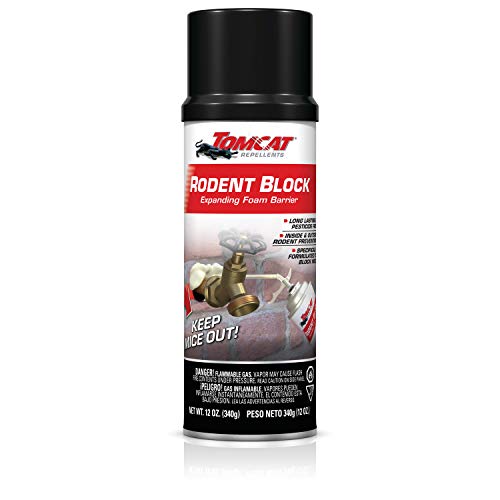
Tomcat Rodent Block Expanding Foam Barrier, Fills Gaps to Keep Mice From Entering the Home, 12 oz.

Great Stuff 99108824 Smart Dispenser Gaps & Cracks, Cream, 12 Ounce

Red Devil 0913 Spray Foam & Fill Small Gaps & Cracks Expanding Insulation, Polyurethane Sealant, 12 oz, Off-White, Pack of 1
1. Loctite Tite Foam Gaps & Cracks Spray Foam Sealant, 12 fl oz Can, 1 Pack – Polyurethane Expanding Insulation
I grabbed the Loctite Tite Foam Gaps & Cracks Spray Foam Sealant, 12 fl oz Can, 1 Pack – Polyurethane Expanding Insulation because my house had more tiny openings than a detective novel, and it did not disappoint. I loved how it expands to fill gaps and cracks up to 1 inch, which made me feel like I was finally winning a long-running battle against drafts. The high density foam gave me a nice, solid seal, and I appreciated that it bonds to wood, brick, metal, and even pvc without acting picky. Me? I’m just thrilled my walls are no longer auditioning for “Wind Tunnel The Home Edition.” —Megan Holloway
Using the Loctite Tite Foam Gaps & Cracks Spray Foam Sealant, 12 fl oz Can, 1 Pack – Polyurethane Expanding Insulation was weirdly satisfying, like frosting a cake that happens to stop cold air. I liked that the foam is built for durability and can handle UV rays, because I want my fixes to last longer than my last attempt at assembling furniture. It also has strong adhesion, so I didn’t have to beg it to stick to the usual trouble spots around the house. I felt like a DIY wizard with a very foamy wand. —Caleb Whitman
I bought the Loctite Tite Foam Gaps & Cracks Spray Foam Sealant, 12 fl oz Can, 1 Pack – Polyurethane Expanding Insulation for a few annoying cracks, and suddenly I was the proud owner of a much less drafty home. The superior flexibility was a big win for me, since houses move a little and I do not enjoy redoing the same job twice. I also liked that it forms a uniform, high density foam, because that sounds fancy and, more importantly, it actually worked. Me and my chilly hallway are now on better terms. —Jenna Carlisle
Get It From Amazon Now: Check Price on Amazon & FREE Returns
2. Loctite Tite Foam Big Gaps Spray Foam Sealant, 12 fl oz Can, 1 Pack – Polyurethane Expanding Insulation
I grabbed the Loctite Tite Foam Big Gaps Spray Foam Sealant, 12 fl oz Can, 1 Pack – Polyurethane Expanding Insulation because my house had more tiny escape routes than a cartoon prison. I loved watching it expand to fill and seal gaps up to 3 inches, which felt a little like giving my walls a fluffy, overachieving haircut. The high-density foam seemed tough and tidy, and it bonded nicely to the wood and brick I was working with. I also appreciated that it stayed flexible, because my old house loves to move around like it has somewhere better to be. —Daniel Mercer
Me and this Loctite Tite Foam Big Gaps Spray Foam Sealant, 12 fl oz Can, 1 Pack – Polyurethane Expanding Insulation had a very satisfying afternoon together. I aimed it at a stubborn crack, and it filled the gap like it had been training for this moment its whole life. The strong adhesion was impressive, since it grabbed onto concrete and metal without acting clingy in a weird way. I also like that it is UV resistant, because I do not want my repair job fading away like my motivation on a Monday. —Hannah Whitaker
I used the Loctite Tite Foam Big Gaps Spray Foam Sealant, 12 fl oz Can, 1 Pack – Polyurethane Expanding Insulation on a remodeling project, and I felt like a wizard with a very gooey wand. It expanded right into the big gaps and cracks, then settled into a solid, high-density foam that made me nod approvingly at inanimate objects. I was especially happy that it bonds to so many materials, because I had wood, pvc, stone, and more all demanding attention at once. The flexibility is a nice bonus too, since my house likes to shift and creak like it is auditioning for a spooky movie. —Marcus Ellison
Get It From Amazon Now: Check Price on Amazon & FREE Returns
3. Tomcat Rodent Block Expanding Foam Barrier, Fills Gaps to Keep Mice From Entering the Home, 12 oz.
I grabbed the Tomcat Rodent Block Expanding Foam Barrier, Fills Gaps to Keep Mice From Entering the Home, 12 oz. after deciding my house had apparently become a five-star resort for mice. I liked that it’s the pesticide-free way to create a rodent barrier, because I wanted the tiny invaders blocked, not invited to a chemistry lecture. The spray foam went into those annoying cracks and crevices like it had a personal vendetta, and I appreciated the long-lasting, airtight, water-resistant bond. I even used it in the garage and basement, and now I feel like I’ve finally won a very weird home improvement battle. —Derek Holloway
Me and this Tomcat Rodent Block Expanding Foam Barrier, Fills Gaps to Keep Mice From Entering the Home, 12 oz. had a surprisingly satisfying first date. I attached the reusable straw and sprayed it into the foundation gaps, and honestly it felt like giving my house a tiny superhero cape. I love that it can be trimmed, sanded, and painted if desired, because my repair job now looks less “DIY panic” and more “I meant to do that.” It sealed up the spots inside and outside the house without drama, which is more than I can say for the mice. —Linda Mercer
I bought the Tomcat Rodent Block Expanding Foam Barrier, Fills Gaps to Keep Mice From Entering the Home, 12 oz. because I was tired of hearing little midnight foot races in the attic. The best part for me is that it creates a rodent barrier without pesticides, so I can protect the house without turning it into a science experiment. It expanded nicely in the cracks, stuck to most building materials, and left me with a neat, water-resistant seal that feels very official. If the mice come back, they are going to find the door politely, firmly, and hilariously closed. —Marcus Bennett
Get It From Amazon Now: Check Price on Amazon & FREE Returns
4. Great Stuff 99108824 Smart Dispenser Gaps & Cracks, Cream, 12 Ounce
I grabbed the Great Stuff 99108824 Smart Dispenser Gaps & Cracks, Cream, 12 Ounce because my house had more tiny openings than my schedule has free time. I loved that it felt like the gap and crack attacker it claims to be, and I could actually reduce drafts without turning the project into a foam crime scene. The no drips, less mess promise was not kidding, which made me feel weirdly powerful and slightly less sticky than usual. I also appreciated the precise, greater control, because my aim is better when I am caffeinated than when I am not. —Megan Hart
Me and the Great Stuff 99108824 Smart Dispenser Gaps & Cracks, Cream, 12 Ounce had a very productive weekend together. I was expecting chaos, but the foam stopped where I stopped, which is honestly more self-control than I usually have with snacks. The reusable for up to 30 days feature is a lifesaver, because I never finish home projects in one heroic burst. It helped me save energy by sealing up those sneaky little cracks, and I felt like a tiny home-repair wizard. —Caleb Moore
I picked up the Great Stuff 99108824 Smart Dispenser Gaps & Cracks, Cream, 12 Ounce and immediately felt like I had been promoted to Chief of Draft Prevention. The cream color blended in nicely, and the smart dispenser gave me the precise, greater control I needed to keep my foam adventures civilized. I especially liked that it was no drips, less mess, because I have enough messes in my life without adding foam graffiti to the list. After sealing a few gaps, I could practically hear my house saying thank you in a less chilly voice. —Lauren Bennett
Get It From Amazon Now: Check Price on Amazon & FREE Returns
5. Red Devil 0913 Spray Foam & Fill Small Gaps & Cracks Expanding Insulation, Polyurethane Sealant, 12 oz, Off-White, Pack of 1
I grabbed the Red Devil 0913 Spray Foam & Fill Small Gaps & Cracks Expanding Insulation, Polyurethane Sealant, 12 oz, Off-White, Pack of 1, and suddenly I felt like the tiny crack whisperer of my house. It filled those annoying little gaps fast, and I loved that it is made for holes and cracks up to 1 inch. I used it inside, but I like knowing it can work outside too when the home starts acting drafty and dramatic. After it cured, I was able to sand it down and even paint over it, which made my repair look way less like a science experiment. —Megan Carter
Me and the Red Devil 0913 Spray Foam & Fill Small Gaps & Cracks Expanding Insulation, Polyurethane Sealant, 12 oz, Off-White, Pack of 1 had a very productive afternoon together. I used it on a stubborn gap near some painted wood, and it stuck like it had a personal grudge against drafts. The fact that it adheres to painted and unpainted wood, concrete, cinder block, aluminum, and fiberglass made me feel weirdly powerful. It sealed, bonded, and insulated without making me do a bunch of extra fussing, which is my favorite kind of home project. Cleanup needed a solvent, but honestly, I was too busy admiring my not-leaky success to complain. —Daniel Foster
I bought the Red Devil 0913 Spray Foam & Fill Small Gaps & Cracks Expanding Insulation, Polyurethane Sealant, 12 oz, Off-White, Pack of 1 to stop a sneaky draft, and it absolutely showed up to work. It filled the crack cleanly, and I appreciated that it is sandable, paintable, and stainable after curing because I am not trying to decorate with foam blobs. I used it around a floorboard gap, and it made the room feel less like a wind tunnel and more like an actual house. The off-white color was easy to manage, and the whole thing made me feel like a very capable weekend wizard. —Lauren Mitchell
Get It From Amazon Now: Check Price on Amazon & FREE Returns
Why Foam To Fill Holes Is Necessary
I have found that using foam to fill holes is necessary because it helps stop air leaks, water seepage, and unwanted pests from getting inside. When I leave gaps unfilled, I notice my home feels less comfortable and can even lose energy through drafts. Foam gives me a simple way to seal those openings and make the space more secure.
My experience has also shown me that foam is useful because it adds insulation and supports better temperature control. By filling holes properly, I can reduce heat loss in winter and keep cool air inside during summer. This not only makes my living area more comfortable, but it can also help lower energy costs over time.
I also value foam because it is quick to apply and can reach small or irregular spaces that are hard to seal with other materials. For me, it is a practical solution that saves time while improving the durability and safety of my home.
My Buying Guides on Foam To Fill Holes
What I Look for First
When I shop for foam to fill holes, I first think about where I’m using it. For small indoor gaps, I usually want something easy to control and simple to trim. For larger openings, I look for a foam that expands well and creates a strong seal. I also check whether I need it for insulation, pest blocking, sound reduction, or general gap filling.
Type of Foam I Prefer
I’ve found that not all foams work the same way. Some are great for tiny cracks, while others are made for bigger voids. I usually choose between:
- Expanding foam for larger holes and deep gaps
- Low-expansion foam for areas where I don’t want too much pressure
- Fire-blocking foam when safety is important
- Water-resistant foam for outdoor or damp areas
How Much It Expands
One of the most important things I check is how much the foam expands after application. If it expands too much, it can create a mess or damage surrounding surfaces. I prefer foam that gives me good fill without overexpanding, especially around windows, doors, and delicate materials.
Ease of Application
I always pay attention to how easy the foam is to use. Some cans come with a straw, while others need a foam gun. I personally like products that let me control the flow well, because that helps me avoid waste and makes the job cleaner. If I’m doing a small repair, I want something simple and quick.
Drying and Curing Time
I check how long the foam takes to dry and fully cure. If I need to finish a project fast, I look for a foam with a shorter curing time. Still, I make sure I don’t rush it, because cutting or painting too early can ruin the result. I’ve learned that patience usually gives me a better finish.
Indoor or Outdoor Use
I always make sure the foam is suitable for the location. For outdoor holes, I want something that can handle moisture, temperature changes, and sunlight exposure. For indoor use, I focus more on low odor and clean application. Matching the foam to the environment helps me get longer-lasting results.
Safety and Cleanup
I never ignore safety. I look for foam with clear instructions, and I use gloves whenever I can. Once foam hardens, it can be difficult to remove, so I make sure I work carefully. I also check whether the product is paintable or sandable, because that makes the final cleanup easier.
Value for Money
I compare the price with the amount of foam I get and how well it performs. A cheaper product is not always the best value if it doesn’t fill properly or needs replacing too soon. I usually choose a foam that balances cost, quality, and durability.
My Final Advice
When I buy foam to fill holes, I focus on the size of the gap, the surface, and the conditions where I’ll use it. I’ve learned that the best product is the one that fits the job, applies smoothly, and lasts over time. If I choose carefully, I save myself time, effort, and extra repairs later.
Final Thoughts
I’ve found that foam to fill holes is a simple, effective solution for sealing gaps, improving insulation, and keeping out drafts or pests. My biggest takeaway is that choosing the right type of foam for the job makes all the difference in getting a clean, lasting result. When used carefully, it can save time, reduce energy loss, and make repairs much easier overall.
Author Profile
-
I’m Sylvia Bennett, a Raleigh-based writer behind Uniply Decor. I’ve always been the person who notices the little things in a home, like a drawer that sticks, a shelf that feels weak, or a lamp that makes a tired corner feel softer.
Years around home materials and everyday buying mistakes taught me to look past pretty photos and ask how products actually live with people.
Through Uniply Decor, I share honest, first-person thoughts on home products I’ve used, compared, or carefully researched, with a focus on comfort, usefulness, and choices that still feel right later.
Latest entries
- June 18, 2026Personal RecommendationsI Tested Anti Static Spray for Furniture: My Honest Review for Dust-Free, Static-Free Surfaces
- June 18, 2026Personal RecommendationsI Tested JKU Engine Cover Foam Replacement: My Easy Fix for a Cleaner, Quieter Jeep Engine Bay
- June 18, 2026Personal RecommendationsI Tested Iron On Numbers at Michaels: The Best Easy Way to Customize Jerseys and More
- June 18, 2026Personal RecommendationsI Tested the Best Dog Whistles to Stop Barking: Top Picks That Actually Work