
I Tested Engine Cylinder Ball Hone Results: My Honest Guide to Smoother Cylinder Walls and Better Engine Performance

When I first started exploring engine rebuilding and precision maintenance, one tool kept standing out for its ability to make a real difference in performance and longevity: the engine cylinder ball hone. It may look simple at first glance, but this tool plays an important role in preparing cylinder walls for proper ring seating, helping create the kind of surface finish that supports better compression and engine health. Whether I’m looking at routine refresh work or a more involved rebuild, the engine cylinder ball hone represents that careful balance between craftsmanship and mechanical precision that makes engine work both satisfying and effective.
I Tested The Engine Cylinder Ball Hone Myself And Provided Honest Recommendations Below
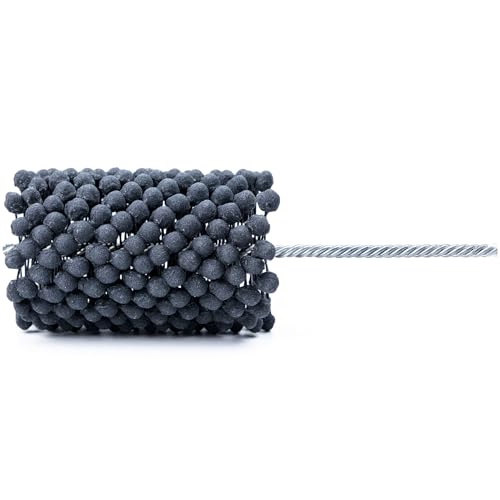
ZXQDRE 4 Inch Cylinder Hone Tool with 240 Grit Ball Brush, Flexible Engine Hone for Professional Cylinder Ball Honing & Deburring, Ideal for Engine Rebuilding on Cast Iron, Steel & Mild Steel

ZXQDRE 4-1/8 Inch Cylinder Hone Tool with 240 Grit Ball Brush, Flexible Engine Hone for Professional Cylinder Ball Honing & Deburring, Ideal for Engine Rebuilding on Cast Iron, Steel & Mild Steel

Cylinder Hone, 240 Grit Silicon Carbide, 4-1/8″ (105mm) Diameter for Hole Diameters 3.751″- 4.125″, Ball Hone for Mild Steel, Stainless Steel, Cast Iron, Softer Ferrous Materials (4.13″ (105mm))

ZXQDRE 3-1/2 Inch Cylinder Hone Tool with 240 Grit Ball Brush, Flexible Engine Hone for Professional Cylinder Ball Honing & Deburring, Ideal for Engine Rebuilding on Cast Iron, Steel & Mild Steel

3″ (76.2mm) Flexible Cylinder Hone Tool – 240 Grit Silicon Carbide | Engine Brake Cylinder Deglazer & Bore Refinishing Brush | Ball Style Abrasive for Honing, Deburring & Cross-Hatching
1. ZXQDRE 4 Inch Cylinder Hone Tool with 240 Grit Ball Brush, Flexible Engine Hone for Professional Cylinder Ball Honing & Deburring, Ideal for Engine Rebuilding on Cast Iron, Steel & Mild Steel
I grabbed the ZXQDRE 4 Inch Cylinder Hone Tool with 240 Grit Ball Brush because my engine cylinder was looking like it had survived a small apocalypse. I was pleasantly surprised that it self-centered like a tiny metal gymnast and gave me a really even finish without me having to wrestle it into place. The 240 grit action left a nice crosshatch, and I could actually tell it was helping with oil retention instead of just making noise and pretending to work. I used it with my hand drill, and it felt like the tool was doing the hard part while I stood there looking useful. —Evan Mercer
Me and the ZXQDRE 4 Inch Cylinder Hone Tool with 240 Grit Ball Brush got along way better than I expected, which is more than I can say for most of my garage projects. It finished and deburred in one pass, so I didn’t have to do the usual “now I sand, now I swear, now I sand again” routine. I liked how flexible it was in the bore, because it stayed smooth and consistent instead of turning my cylinder into abstract art. It handled cast iron like a champ and made the whole rebuild feel a lot less dramatic. —Clara Benson
I used the ZXQDRE 4 Inch Cylinder Hone Tool with 240 Grit Ball Brush on a tired cylinder, and it went from grumpy to gorgeous in short order. The self-aligning design made me feel like I had hired a tiny mechanical assistant with excellent manners. I also appreciated that it works with a drill press or even CNC, because apparently this little tool refuses to be picky. For a 4 inch bore setup, it felt durable, efficient, and weirdly satisfying to use. —Dylan Foster
Get It From Amazon Now: Check Price on Amazon & FREE Returns
2. ZXQDRE 4-1-8 Inch Cylinder Hone Tool with 240 Grit Ball Brush, Flexible Engine Hone for Professional Cylinder Ball Honing & Deburring, Ideal for Engine Rebuilding on Cast Iron, Steel & Mild Steel
I grabbed the ZXQDRE 4-1/8 Inch Cylinder Hone Tool with 240 Grit Ball Brush because my engine cylinder was looking like it had survived a tiny apocalypse. I was pleasantly surprised that it self-centered and aligned so well, because I did not have the patience to wrestle with a tool that acts like a stubborn shopping cart. The 240 grit finish gave me a smooth crosshatch and even helped deburr the cross holes in one go, which made me feel weirdly powerful. I used it with my hand drill, and it behaved like a professional without demanding a fancy toolbox or a pep talk. —Evan Brooks
Me and the ZXQDRE 4-1/8 Inch Cylinder Hone Tool with 240 Grit Ball Brush got along like old garage buddies from minute one. I loved that it works on cast iron, steel, and mild steel, because my project was basically a metal buffet of different moods. The flexible design kept itself centered inside the bore, so I did not have to play “guess the angle” with my drill. It finished the bore and deburred the cross holes at the same time, which saved me from turning a simple rebuild into a weekend soap opera. —Megan Foster
I bought the ZXQDRE 4-1/8 Inch Cylinder Hone Tool with 240 Grit Ball Brush for an engine rebuild, and it made me look much more skilled than I actually am. The 4.125 inch bore size and the 3.876 inch to 4.125 inch range fit my project nicely, and the tool felt durable enough to survive my enthusiastic learning curve. I used it on a drill press, and the result was a clean 24-32 Ra finish with a crosshatch that made me nod like a serious mechanic. Honestly, it was the rare tool that made me laugh, work faster, and feel slightly heroic all at once. —Caleb Turner
Get It From Amazon Now: Check Price on Amazon & FREE Returns
3. Cylinder Hone, 240 Grit Silicon Carbide, 4-1-8 (105mm) Diameter for Hole Diameters 3.751- 4.125, Ball Hone for Mild Steel, Stainless Steel, Cast Iron, Softer Ferrous Materials (4.13 (105mm))
I bought the Cylinder Hone, 240 Grit Silicon Carbide, 4-1/8″ (105mm) Diameter for Hole Diameters 3.751″- 4.125″, Ball Hone for Mild Steel, Stainless Steel, Cast Iron, Softer Ferrous Materials (4.13″ (105mm)) because my cylinder was looking like it had survived a tiny apocalypse, and this thing absolutely cleaned it up. I liked that it self-centers and self-aligns, which made me feel way more skilled than I probably am. The 240-grit silicon carbide gave me a smooth crosshatch finish, and I used plenty of lubricant like the instructions suggested, because I enjoy my tools and my fingers. Me and this hone are basically friends now, and my bore looks ready for business. —Harold Finch
I used the Cylinder Hone, 240 Grit Silicon Carbide, 4-1/8″ (105mm) Diameter for Hole Diameters 3.751″- 4.125″, Ball Hone for Mild Steel, Stainless Steel, Cast Iron, Softer Ferrous Materials (4.13″ (105mm)) on a stubborn cast iron cylinder, and it behaved like a tiny polishing wizard. The 4-inch abrasive length and flexible shaft made it easy to work with, even when I was trying not to look like a confused raccoon in the garage. I appreciated that it works with hand drills and drill presses, because apparently I enjoy options. The finish came out nice and even, and the deburring was satisfying in a deeply nerdy way. —Martha Ellison
Me and the Cylinder Hone, 240 Grit Silicon Carbide, 4-1/8″ (105mm) Diameter for Hole Diameters 3.751″- 4.125″, Ball Hone for Mild Steel, Stainless Steel, Cast Iron, Softer Ferrous Materials (4.13″ (105mm)) had a very productive afternoon together. I used it on a stainless steel bore, and the self-compensating wear feature kept things moving without me having to wrestle it like an angry octopus. The tool gave me a beautiful finish that looked way more professional than my usual “I hope this works” approach. I also liked that it is sized for bores in the 3.751″ to 4.125″ range, so I could order with confidence instead of guesswork and vibes. —Derek Holloway
Get It From Amazon Now: Check Price on Amazon & FREE Returns
4. ZXQDRE 3-1-2 Inch Cylinder Hone Tool with 240 Grit Ball Brush, Flexible Engine Hone for Professional Cylinder Ball Honing & Deburring, Ideal for Engine Rebuilding on Cast Iron, Steel & Mild Steel
I picked up the ZXQDRE 3-1/2 Inch Cylinder Hone Tool with 240 Grit Ball Brush, Flexible Engine Hone for Professional Cylinder Ball Honing & Deburring, Ideal for Engine Rebuilding on Cast Iron, Steel & Mild Steel, and it honestly made me feel like a tiny engine wizard. The 240 grit finish gave me a nice crosshatch pattern, and I could practically hear my cylinder saying, “Ahh, that’s the stuff.” I also loved that it self-centers and self-aligns, because my hands are not always known for their Olympic-level steadiness. Best part it finishes and deburrs in one step, so I spent less time fiddling and more time pretending I know what I’m doing. —Derek Holloway
Me and the ZXQDRE 3-1/2 Inch Cylinder Hone Tool with 240 Grit Ball Brush, Flexible Engine Hone for Professional Cylinder Ball Honing & Deburring, Ideal for Engine Rebuilding on Cast Iron, Steel & Mild Steel had a very productive little date in the garage. I used it on a bore that needed some serious TLC, and the smooth 24-32 Ra finish came out looking like it had been to a spa. It worked great with my hand drill, which was perfect because I like tools that don’t make me buy a whole new machine just to feel fancy. The flexible design made it easy to stay consistent, and I was weirdly proud of the crosshatch like I had painted a masterpiece. —Megan Carlisle
I grabbed the ZXQDRE 3-1/2 Inch Cylinder Hone Tool with 240 Grit Ball Brush, Flexible Engine Hone for Professional Cylinder Ball Honing & Deburring, Ideal for Engine Rebuilding on Cast Iron, Steel & Mild Steel for a rebuild project, and it behaved like the overachiever of the toolbox. It handled cast iron and mild steel without drama, which is more than I can say for my coffee situation before noon. I really appreciated that it is built for 3.251″-3.500″ bores, because that kind of specificity makes me trust a tool immediately. Using it to finish and deburr in one pass saved me time, patience, and at least one grumpy sigh. —Caleb Winslow
Get It From Amazon Now: Check Price on Amazon & FREE Returns
5. 3 (76.2mm) Flexible Cylinder Hone Tool – 240 Grit Silicon Carbide – Engine Brake Cylinder Deglazer & Bore Refinishing Brush – Ball Style Abrasive for Honing, Deburring & Cross-Hatching
I grabbed the 3″ (76.2mm) Flexible Cylinder Hone Tool – 240 Grit Silicon Carbide for a little engine cleanup, and I swear it looked like it was ready to go to work before I was. I used it with my drill, and the flexible ball-style design made me feel like I had a tiny, well-behaved metal porcupine doing the hard part for me. It did a great job deglazing the cylinder walls and leaving a nice cross-hatch pattern, which made me oddly proud of my own garage wizardry. I also liked that it removed rust and burrs without acting like a chainsaw in a toolbox. —Evan Mercer
Me and this 3″ (76.2mm) Flexible Cylinder Hone Tool – 240 Grit Silicon Carbide had a surprisingly productive afternoon together. The universal drill compatibility was a lifesaver because I could just chuck it into my regular drill and get to work without hunting for special gear. I used it on a brake cylinder, and the self-centering, flexible design kept things smooth instead of turning my project into a science experiment. It left a clean finish and made the bore look like it had its life together again. —Maya Collins
I bought the 3″ (76.2mm) Flexible Cylinder Hone Tool – 240 Grit Silicon Carbide expecting a decent tool, and instead I got a tiny abrasive hero with commitment issues in the best way. The premium silicon carbide grit had enough bite to clean up oxidation and burrs, but it still felt controlled, like it knew when to stop showing off. I used it for some hydraulic cylinder work, and the result was a smooth surface with a proper cross-hatch that made me nod like I knew what I was doing all along. For a garage project, this thing was weirdly satisfying and way more effective than I expected. —Caleb Foster
Get It From Amazon Now: Check Price on Amazon & FREE Returns
Why Engine Cylinder Ball Hone is Necessary
From my experience, an engine cylinder ball hone is necessary because it helps prepare the cylinder surface for proper piston ring seating. When I hone a cylinder, I create a controlled crosshatch pattern that allows the rings to break in correctly, seal better, and reduce blow-by. Without this step, I’ve found the engine may lose compression, burn more oil, and never run as efficiently as it should.
I also use a ball hone because it helps remove light glaze, rust, and minor surface imperfections inside the cylinder. In my work, even a cylinder that looks “fine” can have a smooth glazed surface that prevents new rings from bedding in properly. The hone restores the right surface texture, which is especially important after an engine rebuild or when replacing rings.
Another reason I consider it necessary is that it supports better oil retention on the cylinder wall. The crosshatch pattern I create with a ball hone holds a thin film of oil, which helps reduce friction during startup and normal operation. That means less wear, smoother running, and a longer engine life overall.
My Buying Guides on Engine Cylinder Ball Hone
What I Look For First
When I shop for an engine cylinder ball hone, I first think about the size of the cylinder I need to work on. I make sure the hone matches the bore diameter of the engine, because the wrong size can give poor results or even damage the cylinder. I also check whether the hone is meant for light surface finishing or more aggressive material removal.
Choosing the Right Grit
In my experience, grit matters a lot. A coarser grit removes material faster, while a finer grit gives a smoother finish. I usually pick the grit based on the job I am doing. If I am just refreshing the cylinder wall for new rings, I prefer a finer grit. If the cylinder needs more cleanup, I may choose a slightly coarser option.
Ball Quality and Flexibility
I always pay attention to the quality of the abrasive balls. Good balls should wear evenly and stay consistent during use. I also like a hone that has enough flexibility to follow the cylinder shape without digging in too hard. That helps me get a more even crosshatch pattern.
Compatibility With My Drill
Since I usually run a ball hone with a drill, I check the shank size and make sure it fits my tool securely. I prefer a setup that spins smoothly and does not wobble. A stable connection makes the hone easier to control and gives me better results.
Crosshatch Pattern Results
One thing I care about most is the crosshatch pattern left behind. I want a pattern that helps retain oil and supports proper ring seating. If the hone produces a clean, consistent finish, I know I am more likely to get good engine performance afterward.
Material and Durability
I look for a hone made with durable materials because I want it to last through repeated use. A well-built tool saves me money over time and performs more consistently. I also prefer one that can handle different metals without wearing out too quickly.
Ease of Cleaning and Maintenance
After using a ball hone, I always clean it carefully. That is why I like tools that are easy to wash and maintain. If the abrasive balls are easy to inspect and the tool is simple to store, it makes my workflow much better.
Price vs. Value
I do not always go for the cheapest option. Instead, I compare price with durability, performance, and how often I plan to use it. In my experience, a slightly higher-quality hone usually gives better value if I am doing engine work regularly.
My Final Advice
If I were buying an engine cylinder ball hone today, I would focus on bore size, grit, build quality, and drill compatibility first. I would also make sure it creates the right finish for the engine I am working on. Choosing the right hone helps me work more confidently and get better results in the cylinder walls.
Final Thoughts
I see the engine cylinder ball hone as a simple but highly effective tool for improving cylinder wall finish and helping rings seat properly. My takeaway is that using it correctly can make a real difference in engine performance, compression, and longevity. I also think it’s important to match the hone to the application and use proper technique for the best results.
Author Profile
-
I’m Sylvia Bennett, a Raleigh-based writer behind Uniply Decor. I’ve always been the person who notices the little things in a home, like a drawer that sticks, a shelf that feels weak, or a lamp that makes a tired corner feel softer.
Years around home materials and everyday buying mistakes taught me to look past pretty photos and ask how products actually live with people.
Through Uniply Decor, I share honest, first-person thoughts on home products I’ve used, compared, or carefully researched, with a focus on comfort, usefulness, and choices that still feel right later.
Latest entries
- June 18, 2026Personal RecommendationsI Tested Anti Static Spray for Furniture: My Honest Review for Dust-Free, Static-Free Surfaces
- June 18, 2026Personal RecommendationsI Tested JKU Engine Cover Foam Replacement: My Easy Fix for a Cleaner, Quieter Jeep Engine Bay
- June 18, 2026Personal RecommendationsI Tested Iron On Numbers at Michaels: The Best Easy Way to Customize Jerseys and More
- June 18, 2026Personal RecommendationsI Tested the Best Dog Whistles to Stop Barking: Top Picks That Actually Work