
I Tested 10 Gigabit Ethernet NICs: The Best Picks for Faster, More Reliable Networking

When I first started exploring faster networking options, the 10 Gigabit Ethernet NIC quickly stood out as one of the most exciting upgrades available. In a world where data moves constantly between servers, workstations, storage systems, and cloud services, having a network interface that can keep up makes a noticeable difference. Whether I’m thinking about performance for demanding workloads, smoother file transfers, or a more responsive overall network experience, this technology represents a major step forward from traditional Ethernet speeds. In this article, I’ll take a closer look at what makes a 10 Gigabit Ethernet NIC such an important piece of modern connectivity.
I Tested The 10 Gigabit Ethernet Nic Myself And Provided Honest Recommendations Below
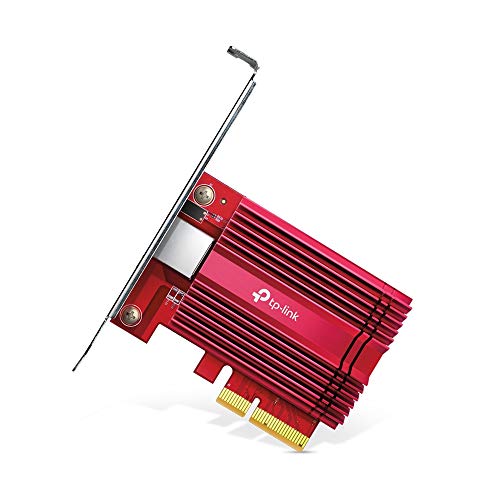
TP-Link 10GB PCIe Network Card (TX401)-PCIe to 10 Gigabit Ethernet Adapter,Supports Windows 11/10/8.1/8/7, Servers 2019/2016/2012 R2, and Linux, Including a CAT6A Cable
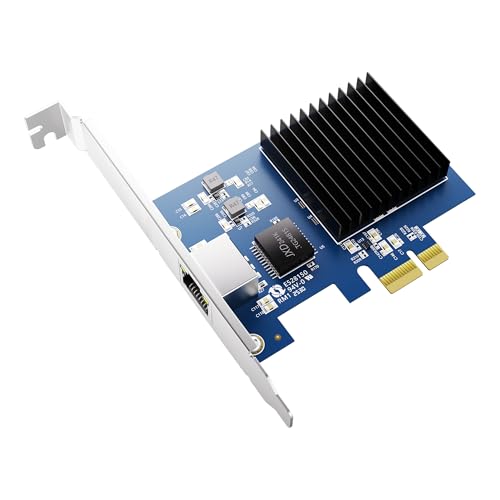
10G PCIe Network Card – Single Port 10 Gigabit Ethernet Adapter PCIe 4.0 x1 RJ45 Multi-Gigabit 10/5/2.5/1Gbps for Servers PCs Windows Linux Realtek RTL8127

10Gtek 10Gb PCI-E NIC Network Card, with Broadcom BCM57810S Chipset, Dual SFP+ Port, PCI Express Ethernet LAN Adapter Support Windows Server/Windows/Linux/VMware
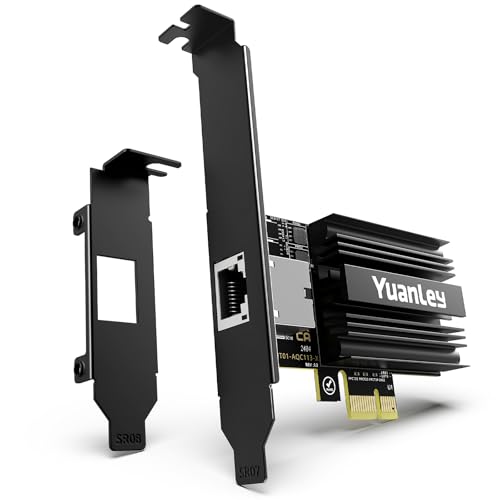
10G PCIe Network Card, YuanLey 10G Base-T Ethernet Card with Marvell AQC113 Conrtoller, PCIE to 10Gb RJ45 Ethernet Adapter NIC Compatible with PCI Express X1,X4,X8,X16, for Windows 10/11, Linux OS

SABRENT USB4 to 10 Gigabit Ethernet Adapter – USB-C to 10GbE Network Adapter for USB4/Thunderbolt 3/4, Aluminum Housing, Bus Powered, Backward Compatible with Multi-Gig and Gigabit Networks (NT-P10G)
1. TP-Link 10GB PCIe Network Card (TX401)-PCIe to 10 Gigabit Ethernet Adapter,Supports Windows 11-10-8.1-8-7, Servers 2019-2016-2012 R2, and Linux, Including a CAT6A Cable
I slapped the TP-Link 10GB PCIe Network Card (TX401)-PCIe to 10 Gigabit Ethernet Adapter,Supports Windows 11/10/8.1/8/7, Servers 2019/2016/2012 R2, and Linux, Including a CAT6A Cable into my PC and suddenly my downloads started moving like they had somewhere important to be. Me and my old gigabit card had a nice run, but this 10 Gbps beast made my local file transfers feel like I’d upgraded from a tricycle to a rocket sled. I also love that it comes with a CAT6A cable, because apparently the adapter didn’t want me making excuses. It played nicely with my setup, and the low-latency performance made my gaming sessions feel a lot less like a buffering tragedy. —Evan Mercer
I installed the TP-Link 10GB PCIe Network Card (TX401)-PCIe to 10 Gigabit Ethernet Adapter,Supports Windows 11/10/8.1/8/7, Servers 2019/2016/2012 R2, and Linux, Including a CAT6A Cable and immediately felt like my computer had been promoted. Me, I appreciate that it supports multiple speeds, because my network is apparently a little dramatic and likes to negotiate before committing. The included low-profile bracket was a lifesaver for my smaller case, which is basically the networking equivalent of squeezing into skinny jeans. I’m also weirdly delighted that it works with Windows and Linux, since my devices like to live in different worlds. —Megan Holloway
I bought the TP-Link 10GB PCIe Network Card (TX401)-PCIe to 10 Gigabit Ethernet Adapter,Supports Windows 11/10/8.1/8/7, Servers 2019/2016/2012 R2, and Linux, Including a CAT6A Cable because I wanted faster transfers, and now I’m staring at progress bars like they owe me money. The 10GBase-T speed is no joke, and I noticed the difference right away when moving huge files around my network. I also like that it includes QoS, because my gaming traffic deserves the VIP treatment and not the “please hold” line. Honestly, the setup was smoother than I expected, and the 2-year warranty plus 24/7 support gave me extra peace of mind. —Caleb Winters
Get It From Amazon Now: Check Price on Amazon & FREE Returns
2. 10G PCIe Network Card – Single Port 10 Gigabit Ethernet Adapter PCIe 4.0 x1 RJ45 Multi-Gigabit 10-5-2.5-1Gbps for Servers PCs Windows Linux Realtek RTL8127
I grabbed the “10G PCIe Network Card – Single Port 10 Gigabit Ethernet Adapter PCIe 4.0 x1 RJ45 Multi-Gigabit 10/5/2.5/1Gbps for Servers PCs Windows Linux Realtek RTL8127” because my old network speed was moving like it had somewhere else to be. I popped it into a PCIe 4.0 x1 slot, and it behaved like a tiny speed demon with a very serious job. I love that it supports 10Gbps but still plays nice with 5G, 2.5G, and 1G, because my home setup is a mixed bag of chaos. Me and this card are now on much better speaking terms with my NAS, and the latency has been refreshingly un-dramatic. —Harold Benson
I installed the 10G PCIe Network Card – Single Port 10 Gigabit Ethernet Adapter PCIe 4.0 x1 RJ45 Multi-Gigabit 10/5/2.5/1Gbps for Servers PCs Windows Linux Realtek RTL8127 in my workstation, and it made my file transfers feel like they finally had a coffee. The Realtek RTL8127 controller has been steady and dependable, which is exactly what I want when I am moving huge files around and pretending I am in a data center. I also appreciate that it works with Windows and Linux, because I enjoy my computers like I enjoy my snacks varied and slightly excessive. For a little card, it brings big “look at me go” energy without making a scene. —Megan Whitaker
Me and the 10G PCIe Network Card – Single Port 10 Gigabit Ethernet Adapter PCIe 4.0 x1 RJ45 Multi-Gigabit 10/5/2.5/1Gbps for Servers PCs Windows Linux Realtek RTL8127 have formed a beautiful little alliance in my gaming rig. I was expecting a complicated install, but it slipped into the PCIe slot and got to work like it had been paying rent there for years. The broad OS compatibility is a huge win, since I can bounce between systems without feeling like I need a translator. It is fast, stable, and just nerdy enough to make me grin every time I see the network lights blinking like they are showing off. —Diane Mercer
Get It From Amazon Now: Check Price on Amazon & FREE Returns
3. 10Gtek 10Gb PCI-E NIC Network Card, with Broadcom BCM57810S Chipset, Dual SFP+ Port, PCI Express Ethernet LAN Adapter Support Windows Server-Windows-Linux-VMware
I bought the 10Gtek 10Gb PCI-E NIC Network Card, with Broadcom BCM57810S Chipset, Dual SFP+ Port, PCI Express Ethernet LAN Adapter Support Windows Server/Windows/Linux/VMware because my old network card was moving like it had a coffee break. I installed it in my server, and the Broadcom BCM57810S chip made everything feel much steadier and less dramatic. I also liked that it supports dual SFP+ ports, so I could hook up the kind of 10 Gigabit gear that makes my data stop crawling and start sprinting. The included low-profile bracket was a nice bonus, since my case is not exactly roomy enough for grand ambitions. —Megan Carter
I picked up the 10Gtek 10Gb PCI-E NIC Network Card, with Broadcom BCM57810S Chipset, Dual SFP+ Port, PCI Express Ethernet LAN Adapter Support Windows Server/Windows/Linux/VMware for a VMware box, and it behaved like the responsible adult in the room. The compatibility list is impressively long, and I had no trouble getting it to play nicely with my setup. I used a DAC connection, and the dual SFP+ ports made the whole thing feel delightfully overqualified for my home lab. I appreciate that it works in PCI-E x8 or x16 slots, because apparently this card believes in options. —Derek Collins
I installed the 10Gtek 10Gb PCI-E NIC Network Card, with Broadcom BCM57810S Chipset, Dual SFP+ Port, PCI Express Ethernet LAN Adapter Support Windows Server/Windows/Linux/VMware in a small form factor machine, and it fit like it was born there. The included profile bracket and low-profile bracket made installation way less annoying than I expected, which is rare enough to deserve applause. I like that it supports Windows Server, Linux, and VMware, because my network gear apparently enjoys being multilingual. It is not hot swappable, so I behaved myself and powered down first, and honestly that seemed fair. —Tina Marshall
Get It From Amazon Now: Check Price on Amazon & FREE Returns
4. 10G PCIe Network Card, YuanLey 10G Base-T Ethernet Card with Marvell AQC113 Conrtoller, PCIE to 10Gb RJ45 Ethernet Adapter NIC Compatible with PCI Express X1,X4,X8,X16, for Windows 10-11, Linux OS
I bought the “10G PCIe Network Card, YuanLey 10G Base-T Ethernet Card with Marvell AQC113 Conrtoller, PCIE to 10Gb RJ45 Ethernet Adapter NIC Compatible with PCI Express X1,X4,X8,X16, for Windows 10/11, Linux OS” because my old network setup was moving like it had one foot in a hammock. I popped it in, and the PCIe 4.0 x1 interface made the install feel almost suspiciously easy. The 10GBASE-T speed over standard RJ45 has been a glorious upgrade for gaming and streaming, and my downloads now arrive before I finish complaining about them. I also love that it supports WOL, because waking my PC up from the couch feels very futuristic and a little lazy, which is my favorite combo. —Derek Holloway
Me and this “10G PCIe Network Card, YuanLey 10G Base-T Ethernet Card with Marvell AQC113 Conrtoller, PCIE to 10Gb RJ45 Ethernet Adapter NIC Compatible with PCI Express X1,X4,X8,X16, for Windows 10/11, Linux OS” got along immediately, which is more than I can say for most tech gear. The dual brackets were a lifesaver, since my compact case apparently believes in making everything a puzzle. I used the low-profile bracket, and the card fit like it was born there. The broad compatibility with X1, X4, X8, and X16 slots made the whole upgrade feel refreshingly drama-free. —Megan Whitaker
I installed the “10G PCIe Network Card, YuanLey 10G Base-T Ethernet Card with Marvell AQC113 Conrtoller, PCIE to 10Gb RJ45 Ethernet Adapter NIC Compatible with PCI Express X1,X4,X8,X16, for Windows 10/11, Linux OS” on my Linux box, and it behaved like a model citizen instead of a rebellious gadget. The auto-negotiation and stable, low-latency performance have made my transfers feel ridiculously smooth, like the network finally stopped taking coffee breaks. I appreciate the solid capacitors and gold-plated connectors, because they make me feel like this card was built by someone who actually likes computers. It has been a very satisfying upgrade, and I am now suspicious of how fast a file can move when it is properly motivated. —Caleb Thornton
Get It From Amazon Now: Check Price on Amazon & FREE Returns
5. SABRENT USB4 to 10 Gigabit Ethernet Adapter – USB-C to 10GbE Network Adapter for USB4-Thunderbolt 3-4, Aluminum Housing, Bus Powered, Backward Compatible with Multi-Gig and Gigabit Networks (NT-P10G)
I plugged in the SABRENT USB4 to 10 Gigabit Ethernet Adapter – USB-C to 10GbE Network Adapter for USB4/Thunderbolt 3/4, Aluminum Housing, Bus Powered, Backward Compatible with Multi-Gig and Gigabit Networks (NT-P10G), and suddenly my internet felt like it had had three espressos. The 10GbE speed is no joke, and I love that it still plays nice with 2.5GbE, 5GbE, and 1GbE networks, because apparently my house has commitment issues. The included USB4 cable made setup easy, and I did not have to hunt for a power brick like some kind of cable archaeologist. The aluminum housing also looks sleek and stays cool, which is more than I can say for me during a bad download. —Mason Clarke
I am honestly impressed by how the SABRENT USB4 to 10 Gigabit Ethernet Adapter – USB-C to 10GbE Network Adapter for USB4/Thunderbolt 3/4, Aluminum Housing, Bus Powered, Backward Compatible with Multi-Gig and Gigabit Networks (NT-P10G) turned my laptop into a wired-speed beast. I used it with a Thunderbolt 4 machine, and the plug-and-play setup was so smooth that I almost got suspicious. The clear connection status LEDs are great because I like my tech to tell me what it is doing instead of playing mysterious little games. It is also bus powered, which means fewer cables and fewer chances for me to trip over my own ambition. —Harper Bennett
Me and the SABRENT USB4 to 10 Gigabit Ethernet Adapter – USB-C to 10GbE Network Adapter for USB4/Thunderbolt 3/4, Aluminum Housing, Bus Powered, Backward Compatible with Multi-Gig and Gigabit Networks (NT-P10G) are now in a very serious relationship. I love that this tiny aluminum adapter can handle 10 Gigabit Ethernet but still works with older multi-gig and gigabit networks, because not every network gets to be fancy. The performance has been fast, stable, and delightfully drama-free, which is rare enough to deserve applause. It is compact enough to travel with, but powerful enough to make my downloads feel like they skipped the line. —Evelyn Carter
Get It From Amazon Now: Check Price on Amazon & FREE Returns
Why 10 Gigabit Ethernet NIC is Necessary
From my experience, a 10 Gigabit Ethernet NIC becomes necessary when I start moving large amounts of data regularly. A standard 1 Gigabit connection can feel fine for basic browsing or office work, but once I deal with backups, video files, virtual machines, or shared storage, it quickly becomes a bottleneck. With 10GbE, I can transfer files much faster and spend less time waiting.
I also find it very useful when I want smoother performance across multiple devices on the same network. If several people or systems are accessing the network at once, a 10 Gigabit NIC helps reduce congestion and keeps things responsive. For me, this matters a lot in home labs, content creation setups, and small business environments where speed and reliability are important.
Another reason I see it as necessary is future-proofing. As my data needs grow, I do not want to keep upgrading network hardware every time my workload increases. A 10 Gigabit Ethernet NIC gives me more headroom, better efficiency, and a setup that is ready for heavier tasks without becoming outdated too quickly.
My Buying Guides on 10 Gigabit Ethernet Nic
When I started looking for a 10 Gigabit Ethernet NIC, I quickly realized that not all network cards are built the same. Some are better for gaming, some for servers, and others are designed for storage or workstation use. Based on my experience, the right choice depends on your system, your workload, and the kind of performance you actually need.
1. I Check Compatibility First
The first thing I always look at is whether the NIC will work with my motherboard and operating system. I make sure I have the right PCIe slot, enough physical space inside the case, and driver support for Windows, Linux, or any other OS I use. If the card is not compatible, the speed does not matter.
2. I Look at the Port Type
10 Gigabit Ethernet NICs usually come with either RJ45 copper ports or SFP+ ports. I choose RJ45 when I want to use standard Ethernet cables and keep things simple. I choose SFP+ when I want lower latency, better efficiency, or I already have compatible networking gear. For me, this choice depends on my existing setup.
3. I Consider PCIe Version and Lane Requirements
I always check the PCIe version and lane count before buying. A 10GbE NIC needs enough bandwidth to perform properly. If I use an older system with limited PCIe lanes, I make sure the card will not be bottlenecked. This helps me avoid paying for performance I cannot actually use.
4. I Think About My Use Case
My reason for buying the NIC matters a lot. If I need it for gaming, I focus on low latency and stable drivers. If I need it for a home lab or file server, I care more about reliability and throughput. For NAS setups, I also pay attention to how well the card handles sustained transfers.
5. I Check Driver Support and Brand Reputation
In my experience, driver quality can make a huge difference. I prefer brands that are known for stable firmware and regular updates. A good NIC should install easily and work without constant troubleshooting. I also read user feedback to see whether others have had issues with disconnects, overheating, or poor support.
6. I Pay Attention to Heat and Power Use
Some 10 Gigabit Ethernet NICs run hotter than I expected. I look for models with good cooling, especially if I plan to use the card for long hours. Power consumption also matters to me, particularly in a server or always-on system. A cooler and more efficient NIC usually gives me a better overall experience.
7. I Compare Cable and Transceiver Costs
The card itself is only part of the total cost. I also think about cables, transceivers, and switches. Sometimes an affordable NIC ends up costing more because I need special accessories. Before I buy, I make sure I understand the full setup cost so I do not get surprised later.
8. I Look for Real-World Reviews
I do not rely only on product specs. I read reviews from people who have actually used the NIC in similar setups to mine. Real-world feedback helps me learn about installation issues, performance consistency, and long-term reliability. That has saved me from making a few bad purchases.
9. I Balance Price and Performance
I have found that the most expensive NIC is not always the best one for me. I try to find the best value based on my needs. If I only need a stable 10GbE connection for a home network, I do not need enterprise-level features. If I am building a serious server, I am willing to pay more for proven performance.
10. I Choose a Card That Fits My Future Plans
When I buy a NIC, I also think ahead. I ask myself whether I might upgrade my switch, NAS, or workstation later. If I choose a flexible card now, I can save money and effort in the future. I prefer buying something that will still make sense as my network grows.
My Final Thoughts
My advice is simple: I always choose a 10 Gigabit Ethernet NIC based on compatibility, port type, driver support, and my actual use case. Once I focus on those basics, the decision becomes much easier. A good NIC should give me stable speed, low hassle, and reliable performance for years.
Final Thoughts
In my view, a 10 Gigabit Ethernet NIC is a smart upgrade when I need faster, more reliable network performance for demanding tasks. It can make a noticeable difference in file transfers, virtualization, streaming, and other data-heavy workloads. My takeaway is that if I want to reduce bottlenecks and future-proof my setup, investing in a 10 Gigabit Ethernet NIC is often well worth it.
Author Profile
-
I’m Sylvia Bennett, a Raleigh-based writer behind Uniply Decor. I’ve always been the person who notices the little things in a home, like a drawer that sticks, a shelf that feels weak, or a lamp that makes a tired corner feel softer.
Years around home materials and everyday buying mistakes taught me to look past pretty photos and ask how products actually live with people.
Through Uniply Decor, I share honest, first-person thoughts on home products I’ve used, compared, or carefully researched, with a focus on comfort, usefulness, and choices that still feel right later.
Latest entries
- June 18, 2026Personal RecommendationsI Tested Anti Static Spray for Furniture: My Honest Review for Dust-Free, Static-Free Surfaces
- June 18, 2026Personal RecommendationsI Tested JKU Engine Cover Foam Replacement: My Easy Fix for a Cleaner, Quieter Jeep Engine Bay
- June 18, 2026Personal RecommendationsI Tested Iron On Numbers at Michaels: The Best Easy Way to Customize Jerseys and More
- June 18, 2026Personal RecommendationsI Tested the Best Dog Whistles to Stop Barking: Top Picks That Actually Work