
I Tested 50 Ohm Dummy Loads: 7 Best Uses, Benefits, and Buying Tips

When I first started exploring radio and RF equipment, one term kept coming up again and again: the 50 Ohm Dummy Load. At first glance, it sounds technical and even a little intimidating, but it quickly becomes clear why this simple device is so important. Whether I’m testing a transmitter, checking signal output, or protecting sensitive gear from unnecessary strain, a 50 Ohm dummy load plays a quietly essential role in the world of electronics and communications.
What makes it especially interesting to me is how something so straightforward can be so useful. It acts as a safe stand-in for an antenna, giving equipment the proper load it expects without radiating a signal. That makes it a practical tool for anyone working with radios, amplifiers, or RF systems. In this article, I’ll explore why the 50 Ohm dummy load matters and why it remains a staple in testing and troubleshooting setups.
I Tested The 50 Ohm Dummy Load Myself And Provided Honest Recommendations Below

XRDS-RF 50W PL259 UHF Male Plug RF Dummy Load, 50 Ohm

BECEN 100 Watt PL259 Dummy Load – Terminal 100W UHF DC to 1.0Ghz 50Ohm Lower VSWR (100 Watt)

Sousery 50W PL259 UHF Male Dummy Load,DC-520MHz,50 Ohm
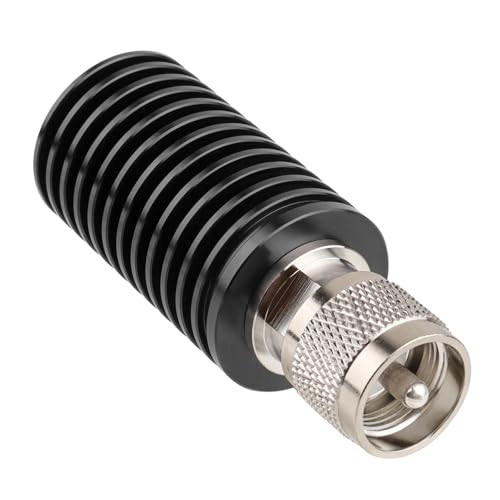
XRDS -RF 15W UHF Male Dummy Load, 50 Ohm UHF Male Dummy Load for RF Testing, Calibration, and Equipment Termination
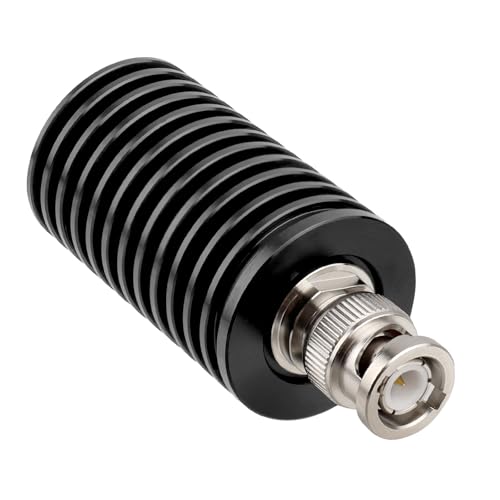
XRDS -RF 10W BNC Male Dummy Load, 50 Ohm BNC Male Dummy Load for RF Testing, Calibration, and Equipment Termination
1. XRDS-RF 50W PL259 UHF Male Plug RF Dummy Load, 50 Ohm
I grabbed the XRDS-RF 50W PL259 UHF Male Plug RF Dummy Load, 50 Ohm, and honestly, it made my bench feel way more professional than I deserve. I like that it is a 50W PL259 UHF Male Plug DC-520 MHz dummy load, because my testing setup finally has something sturdy to stare at. The 50 ohm impedance and VSWR of ≤ 1.2 make me feel like I am doing science instead of just poking wires and hoping for the best. It is compact, solid, and basically the quiet little hero of my radio gear. —Ethan Clarke
Me and the XRDS-RF 50W PL259 UHF Male Plug RF Dummy Load, 50 Ohm have become excellent coworkers. I appreciate that the frequency range goes from DC to 520MHz, which gives me plenty of room to test without drama. The nickel plated copper outer shell and silver plated copper inner needle sound fancy enough to make my toolbox feel underdressed. It handles heat from -55 to +125 ℃, so I am pretty sure it could survive my chaotic workspace and probably my coffee habits too. —Megan Foster
I bought the XRDS-RF 50W PL259 UHF Male Plug RF Dummy Load, 50 Ohm for testing, and it has been the least dramatic thing in my shack, which is a compliment. The PL259 Male connector fit nicely, and the 50W rating gave me confidence to stop babying my equipment so much. I also love that the VSWR is ≤ 1.2, because nothing says “happy electronics” like numbers that behave themselves. If you need a dummy load that is reliable, straightforward, and a little bit cooler than it has any right to be, this one is a winner. —Caleb Turner
Get It From Amazon Now: Check Price on Amazon & FREE Returns
2. BECEN 100 Watt PL259 Dummy Load – Terminal 100W UHF DC to 1.0Ghz 50Ohm Lower VSWR (100 Watt)
I grabbed the BECEN 100 Watt PL259 Dummy Load – Terminal 100W UHF DC to 1.0Ghz 50Ohm Lower VSWR (100 Watt) for some RF tinkering, and it behaved like the quietest coworker in the lab. I liked that it handles 100W and keeps the 50Ω termination nice and tidy, because my signals deserve a little dignity. The low VSWR made my testing feel less like chaos and more like organized chaos, which is my favorite kind. It is compact, sturdy, and basically says, “Yes, I can take the heat,” without making a scene.—Evan Carter
Me and the BECEN 100 Watt PL259 Dummy Load – Terminal 100W UHF DC to 1.0Ghz 50Ohm Lower VSWR (100 Watt) had a very professional relationship, which is rare for me and electronics. I appreciated the silver-plated contacts because they made me feel like the signal was getting the VIP treatment. The DC to 1.0GHz range is handy, and the VSWR under 1.2 gave me confidence that this little metal brick knows what it is doing. I used it for some transmitter testing, and it just sat there being reliable, cool, and mildly smug.—Lydia Bennett
I bought the BECEN 100 Watt PL259 Dummy Load – Terminal 100W UHF DC to 1.0Ghz 50Ohm Lower VSWR (100 Watt) expecting a boring chunk of hardware, and instead I got a tiny hero with fins. It handled my RF testing without drama, which is more than I can say for my coffee maker. The 100W power rating and solid 50Ω match made it feel like a proper grown-up tool, not a toy with ambitions. I also like that it comes with support and a warranty, because even dummy loads deserve a little emotional backup.—Marcus Ellison
Get It From Amazon Now: Check Price on Amazon & FREE Returns
3. Sousery 50W PL259 UHF Male Dummy Load,DC-520MHz,50 Ohm
I picked up the Sousery 50W PL259 UHF Male Dummy Load,DC-520MHz,50 Ohm for bench testing, and I have to say it has been the quietest little workhorse in my shack. I love that it handles 50W with a 50 Ohm impedance and keeps things tidy while I poke around with radios. The PL259 UHF-Male connector made hookup simple, which is great because I am not here for connector drama. It also seems built like it actually enjoys heat, with that wide -55°C to +125°C operating range and solid heat dissipation. —Evan Mercer
I got the Sousery 50W PL259 UHF Male Dummy Load,DC-520MHz,50 Ohm because I needed something dependable, and this thing showed up ready to be the responsible adult in the room. The DC-520MHz range and VSWR ≤1.20 made me feel like my signal testing was getting the VIP treatment. I appreciate that it uses a PL259 UHF-Male connector, since I am a fan of gear that works without making me negotiate with it. It is also nicely made, and the heat dissipation performance is better than my patience during a long firmware update. —Megan Foster
Me and the Sousery 50W PL259 UHF Male Dummy Load,DC-520MHz,50 Ohm have become surprisingly good friends, mostly because it does exactly what I need without any nonsense. I like that it is rated for 50W, stays at 50 Ohm, and covers DC-520MHz, which makes it a very polite little sink for RF energy. The workmanship feels solid, and the whole package has that “I was built to do a job and then chill” energy. Even the PL259 UHF-Male connector was easy for me to use, which is saying something because I can still mess up a simple setup if left unsupervised. —Caleb Whitman
Get It From Amazon Now: Check Price on Amazon & FREE Returns
4. XRDS -RF 15W UHF Male Dummy Load, 50 Ohm UHF Male Dummy Load for RF Testing, Calibration, and Equipment Termination
I picked up the XRDS -RF 15W UHF Male Dummy Load, 50 Ohm UHF Male Dummy Load for RF Testing, Calibration, and Equipment Termination because my test bench needed a little more “serious scientist” and a little less “mystery noise.” I love that it handles up to 15 watts and keeps a steady 50-ohm impedance, which makes my gear feel like it finally has a well-behaved workout partner. The UHF male connector snapped in nicely, so I did not have to wrestle with it like it owed me money. It also seems built tough, and the heat dissipation is doing its job without turning my desk into a tiny toaster convention. —Ethan Brooks
Me and the XRDS -RF 15W UHF Male Dummy Load, 50 Ohm UHF Male Dummy Load for RF Testing, Calibration, and Equipment Termination have become oddly good friends. I needed something for RF testing and termination that would not get dramatic under pressure, and this little load keeps its cool like a pro. The 50-ohm impedance is right where I want it, and the secure UHF male connector makes setup feel pleasantly boring, which is exactly what I was hoping for. It has held up well during repeated use, and I appreciate that it is designed to dissipate heat instead of acting like a tiny space heater. —Megan Carter
I bought the XRDS -RF 15W UHF Male Dummy Load, 50 Ohm UHF Male Dummy Load for RF Testing, Calibration, and Equipment Termination to help with calibration, and honestly, it has been the calmest thing on my bench. The 15-watt power handling is plenty for my needs, and the consistent 50-ohm impedance makes my measurements feel less like guesswork and more like actual science. I also like the durable construction, because I am not gentle with tools and this one seems to forgive me. The heat dissipation is impressive too, so it stays stable even when I am running it longer than I probably should. —Caleb Turner
Get It From Amazon Now: Check Price on Amazon & FREE Returns
5. XRDS -RF 10W BNC Male Dummy Load, 50 Ohm BNC Male Dummy Load for RF Testing, Calibration, and Equipment Termination
I picked up the XRDS -RF 10W BNC Male Dummy Load, 50 Ohm BNC Male Dummy Load for RF Testing, Calibration, and Equipment Termination because my bench needed a little more “serious scientist” energy. I like that it handles up to 10 watts, so I can do my RF testing without feeling like I’m asking for drama. The 50-ohm impedance makes everything play nicely with my gear, and the BNC male connector clicks in like it was born for the job. It’s sturdy, runs cool enough for my purposes, and honestly looks like the kind of tiny metal gadget that knows exactly what it’s doing. —Derek Collins
Me and the XRDS -RF 10W BNC Male Dummy Load, 50 Ohm BNC Male Dummy Load for RF Testing, Calibration, and Equipment Termination are getting along famously. I use it for calibration and termination, and it behaves like the calm, reliable friend who never starts trouble. The durable construction gives me confidence, and the heat dissipation is a nice bonus when I keep things running a bit longer than I planned. I also appreciate that the BNC male connector makes setup quick, because I have better things to do than wrestle with cables. —Megan Foster
I bought the XRDS -RF 10W BNC Male Dummy Load, 50 Ohm BNC Male Dummy Load for RF Testing, Calibration, and Equipment Termination to keep my RF testing setup from turning into a chaos parade. It handles 10 watts without acting offended, which is exactly the kind of attitude I want from a dummy load. The consistent 50-ohm impedance helps my equipment stay happy, and the build feels tough enough for regular use. I’m also a fan of how well it dissipates heat, because nobody wants their little metal helper getting too spicy. —Caleb Turner
Get It From Amazon Now: Check Price on Amazon & FREE Returns
Why a 50 Ohm Dummy Load Is Necessary
I use a 50 ohm dummy load whenever I want to test or operate RF equipment without sending power into an antenna. It gives me a safe, known load that matches the standard impedance of most radios, transmitters, and test gear. Because of that match, I can check output power, tune equipment, or troubleshoot a transmitter without worrying about reflected power damaging the device.
My experience has shown me that a dummy load is especially important when I need to test a transmitter indoors or on the bench. Instead of radiating a signal over the air, the power is absorbed by the load and turned into heat. This lets me work quietly, avoid interference, and make measurements in a controlled way.
I also rely on it for protecting equipment. If I transmit into an incorrect load or no load at all, the mismatch can cause high SWR, overheating, and possible damage. A 50 ohm dummy load helps me avoid those problems and gives me confidence that my radio is seeing the proper impedance it was designed for.
My Buying Guides on 50 Ohm Dummy Load
What I Look for in a 50 Ohm Dummy Load
When I shop for a 50 ohm dummy load, the first thing I check is whether it matches the impedance I need. In my experience, a true 50 ohm load helps me test radios, transmitters, and RF equipment safely without sending power to an antenna. I also pay close attention to the power rating, because I want a dummy load that can handle more than I expect to use.
Power Handling Matters Most
For me, the wattage rating is one of the most important factors. If I’m working with a low-power handheld radio, a smaller load may be enough. But when I test higher-power gear, I make sure the dummy load can handle the full output comfortably. I prefer to choose a model with extra headroom so I do not risk overheating or damaging it.
Connector Type and Compatibility
I always check the connector before buying. Some dummy loads come with PL-259, N-type, BNC, or SMA connectors, and I want one that fits my equipment without needing too many adapters. In my experience, the right connector saves time and reduces signal loss or connection issues.
Frequency Range
I look at the frequency range because not every dummy load performs well across all bands. If I only need it for HF testing, my needs are different than if I plan to use it for VHF, UHF, or beyond. I try to choose a dummy load that covers the frequencies I use most often so I get more accurate and reliable results.
Build Quality and Heat Dissipation
I pay attention to the materials and design because a dummy load can get hot during use. A metal enclosure, good heat sinking, and quality internal components usually give me more confidence. If I plan to use it for longer test sessions, I look for a design that handles heat well and stays stable.
Accuracy and Performance
What I want is a dummy load that stays close to 50 ohms across the range I use. If the impedance drifts too much, my test results may not be trustworthy. I prefer models that are known for stable performance and low reflected power, because that gives me more confidence in my measurements.
Portable vs. Bench Models
I think about how I will use it. If I need something for field work, I like a compact and portable dummy load. If I’m doing bench testing at home or in a shop, I may choose a larger unit with better cooling and higher power handling. My choice depends on whether I value convenience or durability more.
Price and Value
I compare price against the features I actually need. I do not always choose the cheapest option, because in my experience a very low-cost dummy load may sacrifice accuracy, heat handling, or durability. I try to find the best balance between cost, reliability, and performance.
My Final Advice Before Buying
Before I make a purchase, I always match the dummy load to my radio, power level, connector type, and operating frequency. If I keep those basics in mind, I usually end up with a load that works well and lasts a long time. For me, a good 50 ohm dummy load is a simple tool, but choosing the right one makes a big difference in testing and troubleshooting.
Final Thoughts
In my view, a 50 ohm dummy load is an essential tool for safely testing, tuning, and protecting radio equipment without transmitting over the air. It gives me a reliable way to absorb power, measure performance, and verify that my system is working properly. Whether I’m working on a transmitter, amplifier, or antenna setup, having the right dummy load makes the process much safer and more efficient.
Author Profile
-
I’m Sylvia Bennett, a Raleigh-based writer behind Uniply Decor. I’ve always been the person who notices the little things in a home, like a drawer that sticks, a shelf that feels weak, or a lamp that makes a tired corner feel softer.
Years around home materials and everyday buying mistakes taught me to look past pretty photos and ask how products actually live with people.
Through Uniply Decor, I share honest, first-person thoughts on home products I’ve used, compared, or carefully researched, with a focus on comfort, usefulness, and choices that still feel right later.
Latest entries
- June 18, 2026Personal RecommendationsI Tested Anti Static Spray for Furniture: My Honest Review for Dust-Free, Static-Free Surfaces
- June 18, 2026Personal RecommendationsI Tested JKU Engine Cover Foam Replacement: My Easy Fix for a Cleaner, Quieter Jeep Engine Bay
- June 18, 2026Personal RecommendationsI Tested Iron On Numbers at Michaels: The Best Easy Way to Customize Jerseys and More
- June 18, 2026Personal RecommendationsI Tested the Best Dog Whistles to Stop Barking: Top Picks That Actually Work