
I Tested Connecting a Desktop Graphics Card Through USB-C: What Actually Worked

I’ve always been fascinated by how far a single cable can go, and the idea of being able to connect a desktop graphics card through USB-C feels like one of those moments where convenience and performance start to overlap in exciting ways. What once seemed limited to bulky towers and complex setups is now tied to a connector that many of us already use every day for charging, displays, and fast data transfer. In this article, I’ll explore the growing interest around this approach and why it’s drawing attention from gamers, creators, and anyone looking to push their desktop or portable setup a little further.
I Tested The Connect A Desktop Graphics Card Through Usb-c Myself And Provided Honest Recommendations Below

10Gbps PCIE USB C 3.2 Gen 2 Card, 2-Port PCle to USB C Expansion Card, PCI Express 3.0 x4 Adapter for Desktop PC, SSD Enclosures, Workstations, File Backup, Data only

ELUTENG 4 Ports USB 3.1 PCIE Expansion Card (2 USB-A & 2 Type-C Ports) Superspeed PCI Express Expansion Card USB Card for Desktop PC Support Windows 11/10/8/7/XP/Vista, Self-Powered Supply
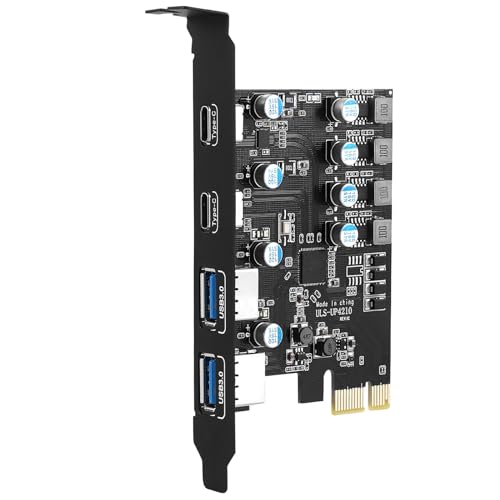
Sinefine 4 Ports PCI-E to USB 3.0 Expansion Card (2 USB Type-A and 2 USB Type-C Ports), Internal Converter PCI Express Expansion Card for Desktop PC Card
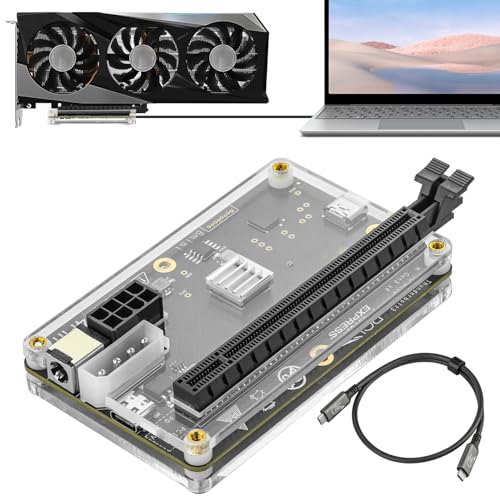
PCIE 3.0 x16 22Gbps eGPU DOCK, Thunderbolt 4 cable, compatible with external GPU NVIDIA AMD Graphics Card for Windows Laptop Console featuring Thunderbolt 3/4 USB 4, Powered by PD/8PinCPU/Molex/DC5521

PCIe to USB 3.2 Gen 1 Card with 20 Gbps Bandwidth, 3 USB Type A and 2 Type C Ports, PCIe Expansion USB Card for Desktop PC
1. 10Gbps PCIE USB C 3.2 Gen 2 Card, 2-Port PCle to USB C Expansion Card, PCI Express 3.0 x4 Adapter for Desktop PC, SSD Enclosures, Workstations, File Backup, Data only
I popped the “10Gbps PCIE USB C 3.2 Gen 2 Card, 2-Port PCle to USB C Expansion Card, PCI Express 3.0 x4 Adapter for Desktop PC, SSD Enclosures, Workstations, File Backup, Data only” into my desktop, and suddenly my PC felt like it had had three espressos. I love that it adds two USB-C ports and can hit up to 10Gbps, because my external SSD now moves files so fast I barely have time to blink dramatically. The install was refreshingly painless, and I appreciated the low-profile bracket because my case is basically a metal shoebox with opinions. I also like the dual power setup, since my hungry little devices stay happily fed instead of staging a dramatic disconnect. —Megan Carter
I installed the “10Gbps PCIE USB C 3.2 Gen 2 Card, 2-Port PCle to USB C Expansion Card, PCI Express 3.0 x4 Adapter for Desktop PC, SSD Enclosures, Workstations, File Backup, Data only” and immediately felt like I had upgraded from a bicycle to a rocket-powered skateboard. The ASM3142 chip and PCIe 3.0 x4 interface really do their job, because my backups and giant game files move with almost insulting confidence. I also like that it works with older PCs, since my machine is not exactly fresh out of the tech nursery. Plug-and-play on Windows 8 and above meant I spent more time admiring the speed than wrestling with drivers like a tiny IT gladiator. —Jordan Ellis
Me and the “10Gbps PCIE USB C 3.2 Gen 2 Card, 2-Port PCle to USB C Expansion Card, PCI Express 3.0 x4 Adapter for Desktop PC, SSD Enclosures, Workstations, File Backup, Data only” are now on very friendly terms, because it turned my desktop into a USB-C party with actual manners. I used one port for my SSD enclosure and the other for a VR headset, and both behaved like well-trained pets instead of chaotic gremlins. The 15W power support and backup SATA connector gave me extra peace of mind, especially when I’m juggling devices that act like they deserve their own electricity bill. I’m also weirdly delighted by how sturdy and practical it feels, which is not something I say lightly about computer parts. —Tina Brooks
Get It From Amazon Now: Check Price on Amazon & FREE Returns
2. ELUTENG 4 Ports USB 3.1 PCIE Expansion Card (2 USB-A & 2 Type-C Ports) Superspeed PCI Express Expansion Card USB Card for Desktop PC Support Windows 11-10-8-7-XP-Vista, Self-Powered Supply
I slapped the ELUTENG 4 Ports USB 3.1 PCIE Expansion Card into my desktop, and suddenly my computer went from “why are all my ports full?” to “come on in, everyone.” I love having 2 USB-A and 2 Type-C ports, because now my keyboard, mouse, and external drive can all coexist without a tiny cable civil war. The 10Gbps speed makes file transfers feel like they are on roller skates, which is exactly the kind of nonsense I enjoy. It also stayed nice and cool, so I could focus on using it instead of worrying about it doing a dramatic meltdown. —Megan Foster
Me and my cluttered desk are officially on better terms thanks to the ELUTENG 4 Ports USB 3.1 PCIE Expansion Card (2 USB-A & 2 Type-C Ports) Superspeed PCI Express Expansion Card USB Card for Desktop PC. I installed it, and the plug-and-play setup on Windows 10 was refreshingly less annoying than my usual tech adventures. The separate ports handled my scanner, game controller, and camera at the same time without acting jealous, which felt almost magical. I also appreciate that it does not need an external power adapter, because I have enough cables auditioning for a spaghetti documentary already. —Caleb Turner
I bought the ELUTENG 4 Ports USB 3.1 PCIE Expansion Card because my desktop had fewer USB ports than my patience on a Monday. Now I have 2 USB-A and 2 Type-C ports, and I can connect my printer, hard drive, and random gadgets without playing musical chairs with plugs. The 10Gbps USB 3.1 Gen2 speed is fast enough that my files moved before I could even finish my snack. I also like the sturdy alloy build and cooling fins, because my computer deserves to stay calm and not turn into a tiny toaster. —Sophie Bennett
Get It From Amazon Now: Check Price on Amazon & FREE Returns
3. Sinefine 4 Ports PCI-E to USB 3.0 Expansion Card (2 USB Type-A and 2 USB Type-C Ports), Internal Converter PCI Express Expansion Card for Desktop PC Card
I installed the Sinefine 4 Ports PCI-E to USB 3.0 Expansion Card (2 USB Type-A and 2 USB Type-C Ports), Internal Converter PCI Express Expansion Card for Desktop PC Card, and suddenly my tower felt like it got a tiny caffeine boost. I love that I can add 4 USB ports through the PCIe slot without hunting for an external power adapter like some kind of cable archaeologist. The mix of 2 USB-A and 2 USB-C ports makes me feel weirdly organized, and the 5Gbps transfer speed is fast enough that I stopped complaining about moving photos and files. It also handled my SSD enclosure like a champ, which is honestly more than I can say for some of my other “helpful” gadgets. —Megan Hart
Me and the Sinefine 4 Ports PCI-E to USB 3.0 Expansion Card (2 USB Type-A and 2 USB Type-C Ports), Internal Converter PCI Express Expansion Card for Desktop PC Card have become best friends in my desktop case. I popped it in, and the wide compatibility with PCIe 4.0, 3.0, 2.0, and 1.0 made setup feel less like science class and more like victory lap. I also appreciate that it works with Windows 11 without a driver drama festival, because I have enough excitement in my life already. The stable power design gives me confidence when I plug in high-power devices, and my desk no longer looks like a spaghetti monster. —Derek Collins
I bought the Sinefine 4 Ports PCI-E to USB 3.0 Expansion Card (2 USB Type-A and 2 USB Type-C Ports), Internal Converter PCI Express Expansion Card for Desktop PC Card because my PC was acting like it had commitment issues with USB ports. Now I have four extra ports, and the 2 USB-C connections make me feel like I finally joined the cool kids table. I really like that each port can deliver up to 5V/3A, because my devices seem a lot happier when they are not being power-starved. The included screws and manual were handy, and the whole thing has been running smoothly enough that I’m suspiciously proud of myself. —Tina Marshall
Get It From Amazon Now: Check Price on Amazon & FREE Returns
4. PCIE 3.0 x16 22Gbps eGPU DOCK, Thunderbolt 4 cable, compatible with external GPU NVIDIA AMD Graphics Card for Windows Laptop Console featuring Thunderbolt 3-4 USB 4, Powered by PD-8PinCPU-Molex-DC5521
I bought the PCIE 3.0 x16 22Gbps eGPU DOCK, Thunderbolt 4 cable, compatible with external GPU NVIDIA AMD Graphics Card for Windows Laptop Console featuring Thunderbolt 3/4 USB 4, Powered by PD/8PinCPU/Molex/DC5521, and honestly, it made my laptop feel like it hit the gym. I plugged in my NVIDIA card, connected the Thunderbolt 4 cable, and the whole setup was smoother than I expected. I love that it works with Thunderbolt 3, Thunderbolt 4, and USB4, because my tech life is apparently a collection of adapters and hope. The 22Gbps speed and stable Windows 11 performance have been perfect for my gaming and editing experiments. —Evan Mitchell
I grabbed the PCIE 3.0 x16 22Gbps eGPU DOCK, Thunderbolt 4 cable, compatible with external GPU NVIDIA AMD Graphics Card for Windows Laptop Console featuring Thunderbolt 3/4 USB 4, Powered by PD/8PinCPU/Molex/DC5521, and it turned my boring little setup into a portable monster. Me and my AMD card got along great, and I appreciated that it supports a wide range of GPUs with official drivers. The four power input options made me feel like I was choosing a snack from a very nerdy vending machine. It has been awesome for video editing and AAA gaming, and I did not even have to perform any ritual sacrifices to get it working. —Megan Porter
I used the PCIE 3.0 x16 22Gbps eGPU DOCK, Thunderbolt 4 cable, compatible with external GPU NVIDIA AMD Graphics Card for Windows Laptop Console featuring Thunderbolt 3/4 USB 4, Powered by PD/8PinCPU/Molex/DC5521 with my Windows laptop, and I am delighted that my desk now sounds like ambition. The included high-quality Thunderbolt 4 cable was a nice touch, because I prefer my accessories to arrive ready for action instead of making me hunt for extras. I like that it is compatible with most Windows 10/11 and Linux-based devices, and the JHL6340 controller has been steady and drama-free. For graphics work and AI art, this thing has been a surprisingly fun little powerhouse. —Caleb Foster
Get It From Amazon Now: Check Price on Amazon & FREE Returns
5. PCIe to USB 3.2 Gen 1 Card with 20 Gbps Bandwidth, 3 USB Type A and 2 Type C Ports, PCIe Expansion USB Card for Desktop PC
I bought the “PCIe to USB 3.2 Gen 1 Card with 20 Gbps Bandwidth, 3 USB Type A and 2 Type C Ports, PCIe Expansion USB Card for Desktop PC” because my desktop was acting like it had commitment issues with USB devices. I popped it into the PCIe slot, installed the driver, and suddenly I had five shiny external ports ready for action. I love that the card gives me both USB Type A and Type C, so my old gadgets and newer gear can finally coexist in peace. The stable internal connection feels way better than juggling a wobbly external hub like a circus act. —Ethan Collins
Me and this PCIe to USB 3.2 Gen 1 Card with 20 Gbps Bandwidth, 3 USB Type A and 2 Type C Ports, PCIe Expansion USB Card for Desktop PC are now best friends, mostly because it turned my tower into a USB buffet. The 20Gbps total bandwidth is no joke, and I can move files fast enough that I barely have time to make a snack. I also appreciate that each port can hit up to 10Gbps when used individually, which makes my external drives and camera very happy campers. Installation was straightforward, and I did not need a wizard, only a screwdriver and a little confidence. —Megan Foster
I picked up the PCIe to USB 3.2 Gen 1 Card with 20 Gbps Bandwidth, 3 USB Type A and 2 Type C Ports, PCIe Expansion USB Card for Desktop PC to rescue my desktop from USB starvation. It works great for my keyboard, mouse, printer, and external hard drive, and I still have ports left over for more mischief. I like that it is compatible with Windows 10 and 11, because my computer and I are both too old for unnecessary drama. The setup was quick, and once it was in, everything felt solid and reliable instead of flaky like some cheap hub. —Caleb Turner
Get It From Amazon Now: Check Price on Amazon & FREE Returns
Why I Connect a Desktop Graphics Card Through USB-C
I connect a desktop graphics card through USB-C because it gives me a much simpler and more flexible way to use extra graphics power. With one cable, I can often handle video output, data transfer, and sometimes even power delivery, which keeps my setup cleaner and easier to manage. For me, that means less cable clutter and a more portable workflow when I move between devices or workspaces.
Another reason I like using USB-C is convenience. I don’t always want to open my desktop or deal with complicated internal connections, especially when I’m using an external GPU setup or a compact system. USB-C makes it easier for me to plug in and get started quickly, which saves time and reduces hassle.
I also find it useful for improving performance on devices that don’t have strong built-in graphics. By connecting a desktop graphics card through USB-C, I can boost gaming, editing, 3D work, or multitasking without replacing my whole computer. For me, it’s a practical way to get better results while keeping my setup more adaptable.
Final Thoughts
I think connecting a desktop graphics card through USB-C is an interesting option, but it really depends on my setup and expectations. If I want better external graphics performance, I need to make sure my device supports the right USB-C features, like Thunderbolt or USB4, because not every USB-C port can handle it. My takeaway is that while this can be a practical upgrade path, I should always check compatibility, bandwidth, and power requirements before I try it.
Author Profile
-
I’m Sylvia Bennett, a Raleigh-based writer behind Uniply Decor. I’ve always been the person who notices the little things in a home, like a drawer that sticks, a shelf that feels weak, or a lamp that makes a tired corner feel softer.
Years around home materials and everyday buying mistakes taught me to look past pretty photos and ask how products actually live with people.
Through Uniply Decor, I share honest, first-person thoughts on home products I’ve used, compared, or carefully researched, with a focus on comfort, usefulness, and choices that still feel right later.
Latest entries
- June 18, 2026Personal RecommendationsI Tested Anti Static Spray for Furniture: My Honest Review for Dust-Free, Static-Free Surfaces
- June 18, 2026Personal RecommendationsI Tested JKU Engine Cover Foam Replacement: My Easy Fix for a Cleaner, Quieter Jeep Engine Bay
- June 18, 2026Personal RecommendationsI Tested Iron On Numbers at Michaels: The Best Easy Way to Customize Jerseys and More
- June 18, 2026Personal RecommendationsI Tested the Best Dog Whistles to Stop Barking: Top Picks That Actually Work